Case Study: How an Energy Upgrade Transformed a Melbourne Home


Introduction
When it comes to home improvement, an energy upgrade is one of the most impactful investments a homeowner can make. In this case study, we explore how a Melbourne family transformed their residence into an energy-efficient haven. The process not only enhanced the home's comfort but also significantly reduced energy bills.
The Initial Assessment
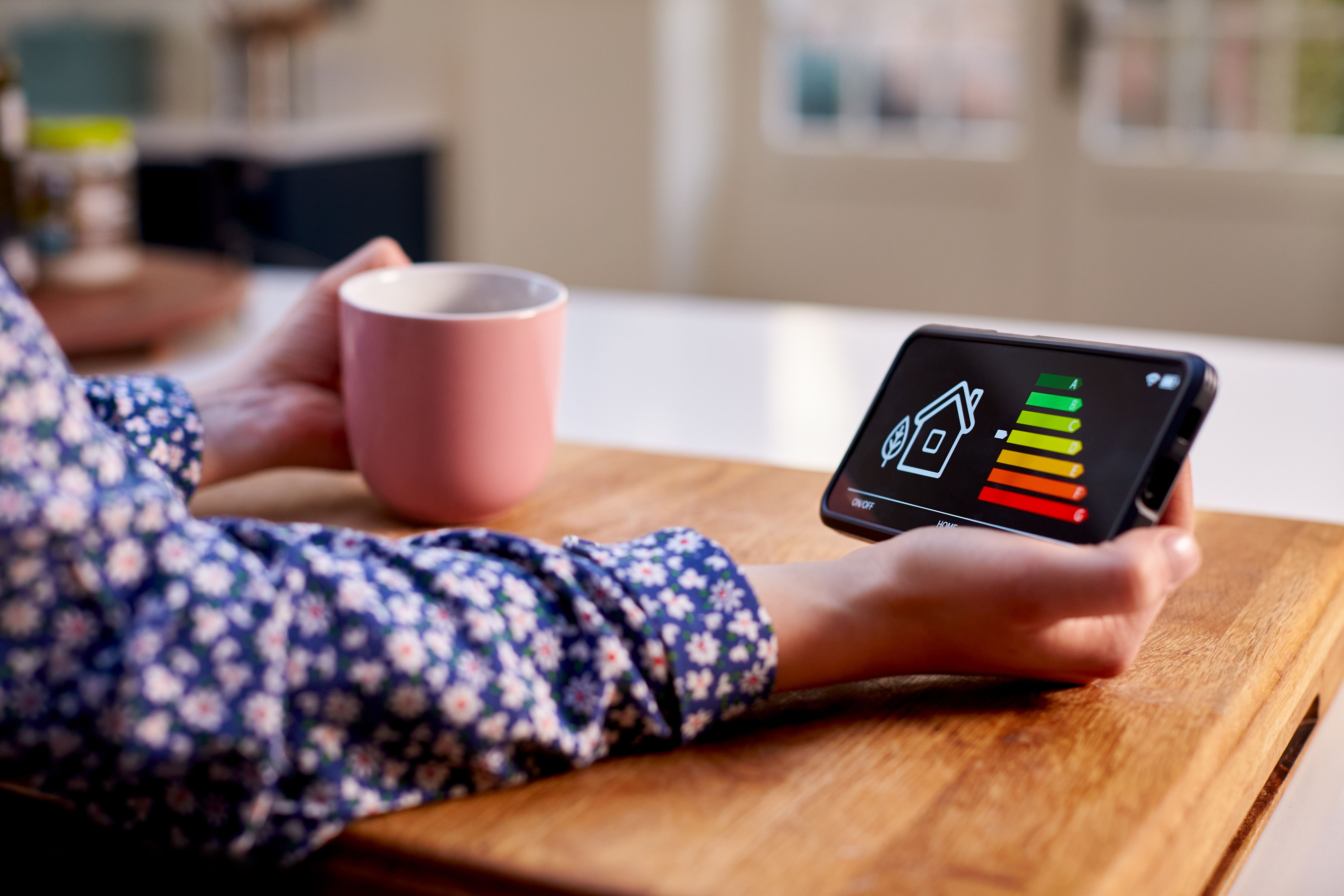
Before embarking on the upgrade, an energy audit was conducted to identify areas of improvement. The audit revealed several inefficiencies, including outdated insulation, single-glazed windows, and an aging HVAC system. Addressing these issues became the focal point of the upgrade.
The audit provided a clear roadmap, prioritizing changes that would offer the greatest energy savings. The family was committed to making environmentally friendly choices, ensuring their home was both sustainable and cost-effective.
Implementing the Upgrade
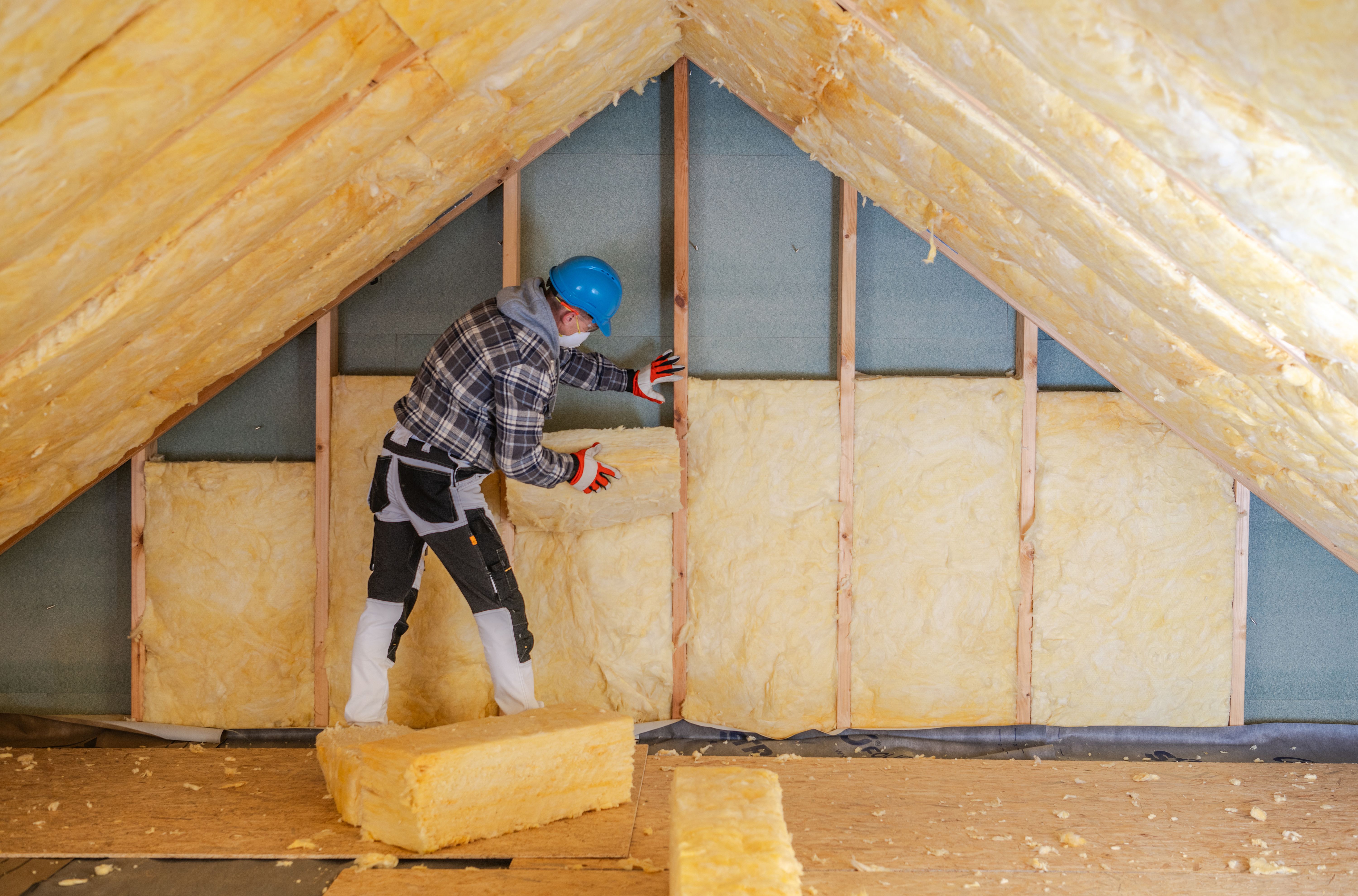
The first step was upgrading the insulation throughout the home. High-performance insulation materials were installed in the walls, roof, and floors, significantly reducing heat loss. This change alone made a noticeable difference in maintaining a comfortable indoor temperature.
Next, the family replaced single-glazed windows with double-glazed alternatives. This upgrade improved thermal efficiency and reduced noise pollution, enhancing the overall living experience. Additionally, energy-efficient window treatments were installed to further minimize heat gain during Melbourne's hot summers.
HVAC System and Solar Panels
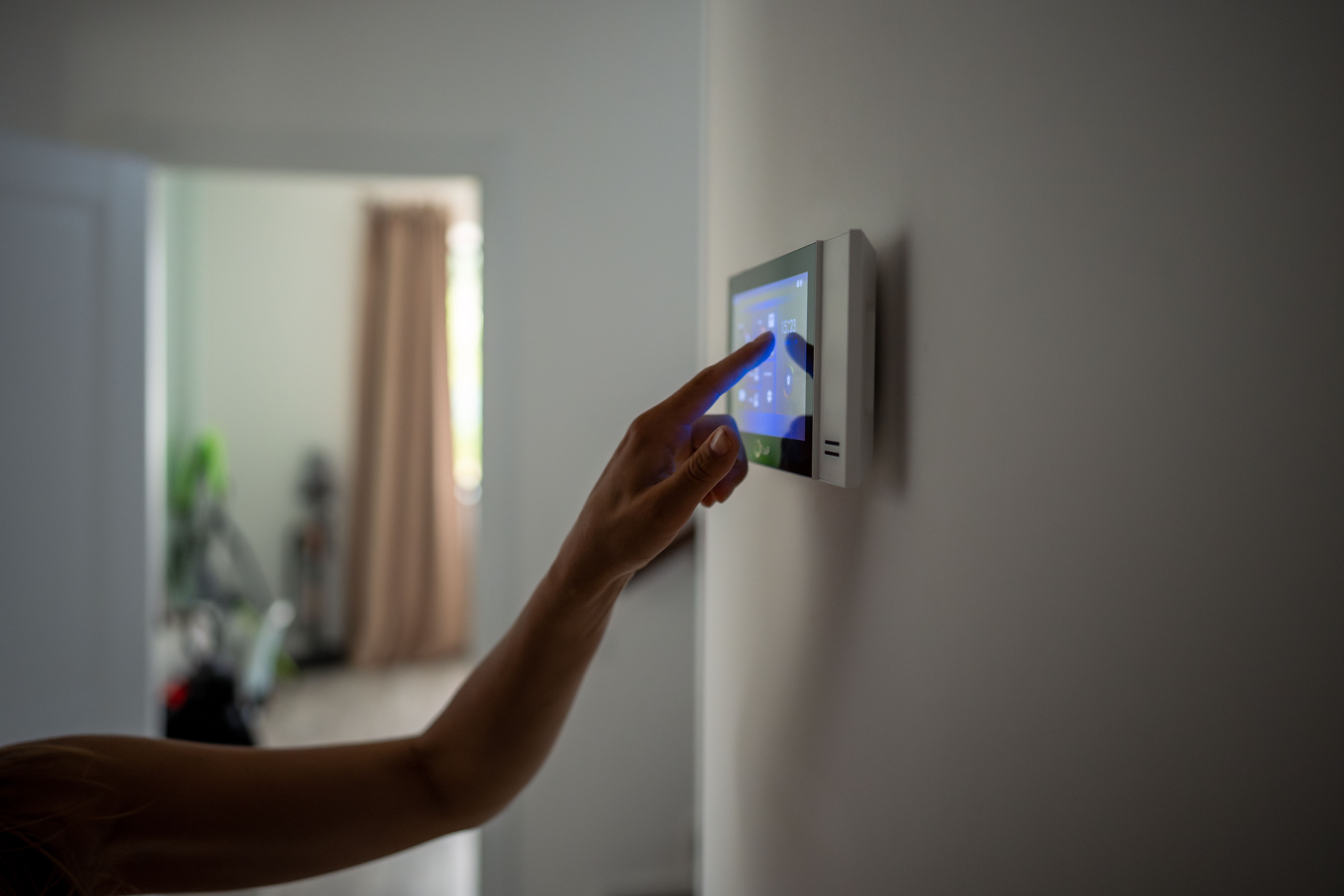
The outdated HVAC system was replaced with a modern, energy-efficient model. This upgrade not only reduced energy consumption but also improved air quality within the home. The new system featured smart technology, allowing the family to control temperatures remotely and set schedules for optimal efficiency.

Embracing renewable energy, the family installed solar panels on their roof. This decision reduced their reliance on the grid and provided substantial savings on electricity bills. The solar system was designed to meet the home's energy needs, with excess power feeding back into the grid.
Results and Benefits
The energy upgrade resulted in a remarkable transformation. The home's energy consumption dropped by over 40%, leading to significant financial savings. The family now enjoys a more comfortable living environment, with consistent indoor temperatures year-round.
Beyond personal benefits, the upgrade contributed to a reduced carbon footprint. By utilizing sustainable materials and renewable energy, the family set a positive example for environmentally conscious living.
Lessons Learned
This case study highlights the importance of a comprehensive energy audit and strategic planning. By identifying key areas for improvement, the family was able to prioritize investments that delivered the greatest return. The transformation also underscores the value of incorporating smart technology and renewable energy solutions.
For homeowners considering a similar upgrade, partnering with experienced professionals is crucial. Expertise in energy efficiency can guide decisions and ensure the most effective solutions are implemented.
Conclusion
The Melbourne home's energy upgrade is a testament to the transformative power of sustainable living choices. By investing in energy efficiency, the family not only enhanced their quality of life but also contributed positively to the environment. This case study serves as an inspiring model for others looking to create an energy-efficient home.