DIY Energy Efficiency Improvements Before Your Property Inspection


Understanding the Importance of Energy Efficiency
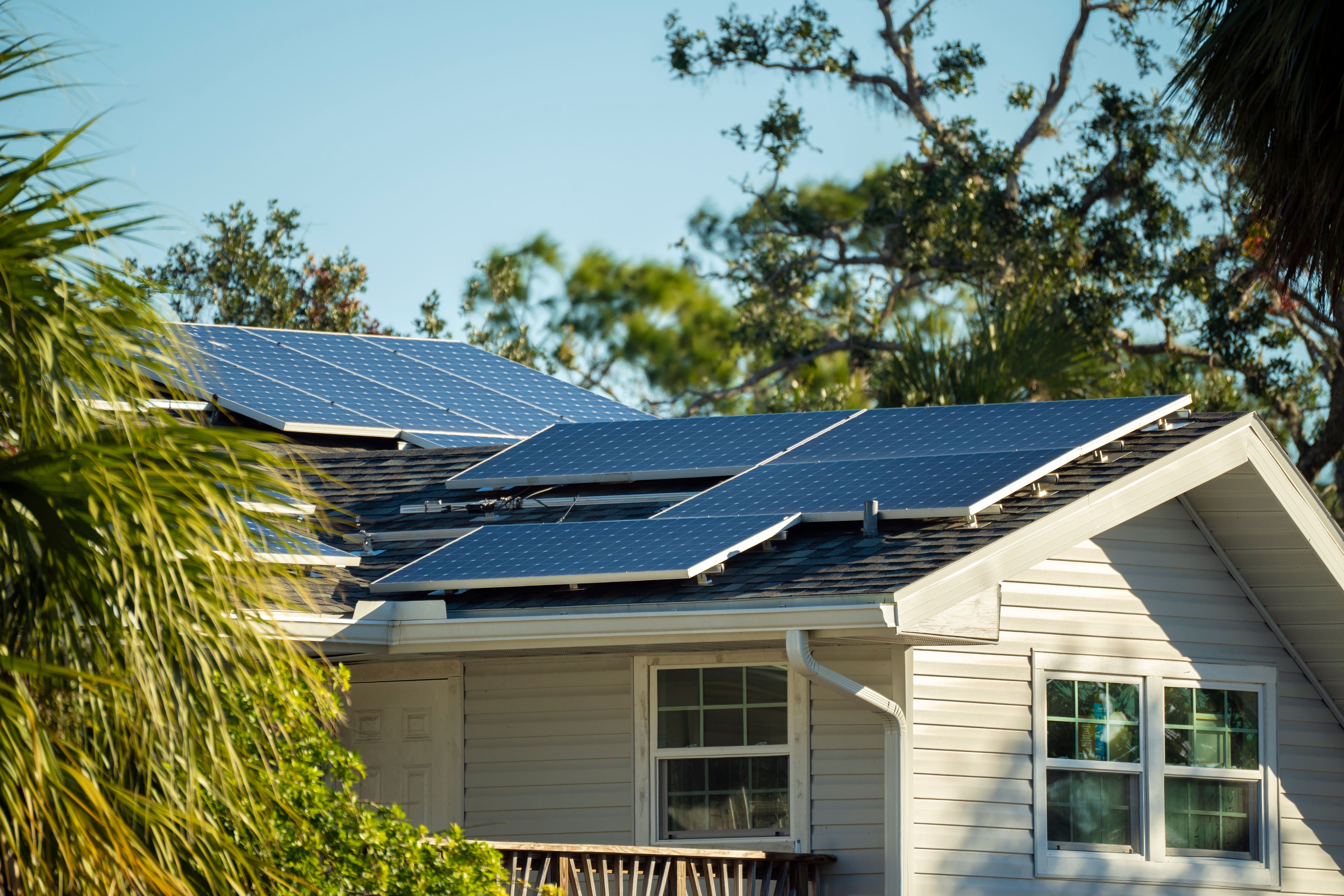
Before a property inspection, focusing on energy efficiency can not only boost your home’s value but also reduce energy bills. By implementing some DIY energy efficiency improvements, you ensure your property stands out. These enhancements are often straightforward and cost-effective.
Energy efficiency improvements also contribute to a more sustainable environment, making your home more attractive to eco-conscious buyers. Here’s how you can make impactful changes before your inspection.
Sealing and Insulating
One of the simplest ways to improve energy efficiency is to focus on sealing and insulating your home. Start by identifying any drafts around windows and doors. Use weatherstripping or caulk to seal gaps, preventing the loss of conditioned air.
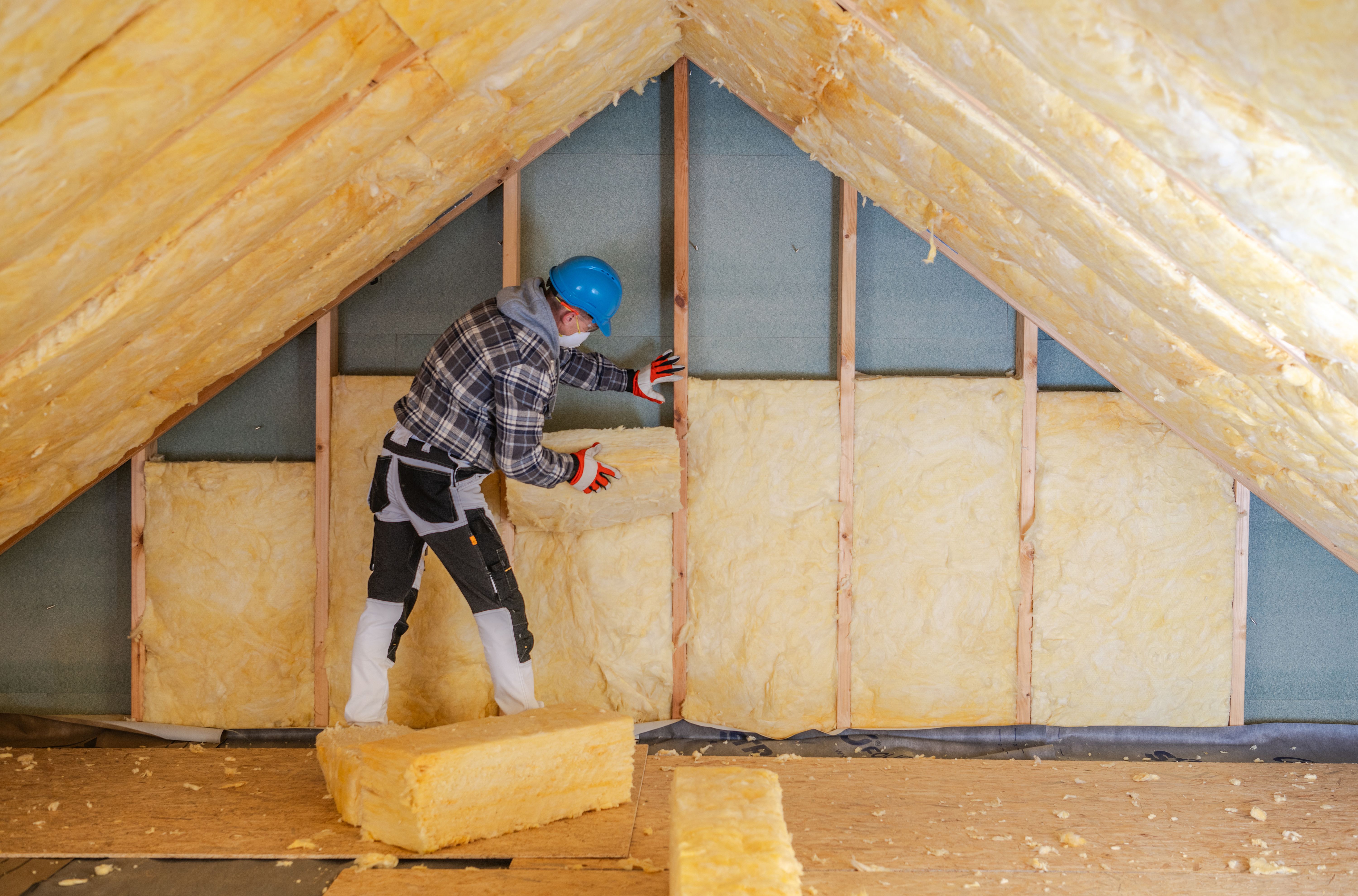
Next, consider adding insulation to your attic. This can significantly reduce heat loss during winter and keep your home cooler in summer. Proper insulation ensures your HVAC system doesn’t work overtime, saving energy and reducing costs.
Windows and Doors
Inspect your windows and doors for any signs of wear. Consider upgrading to double-glazed windows if your budget allows, as they are more effective at insulating than single-pane windows. Alternatively, you can use thermal curtains to reduce heat transfer.
Lighting Enhancements
Switching to energy-efficient lighting is a quick and easy upgrade. Replace incandescent bulbs with LED or CFL bulbs, which use significantly less energy and have a longer lifespan. These bulbs also produce less heat, reducing cooling costs in warmer months.
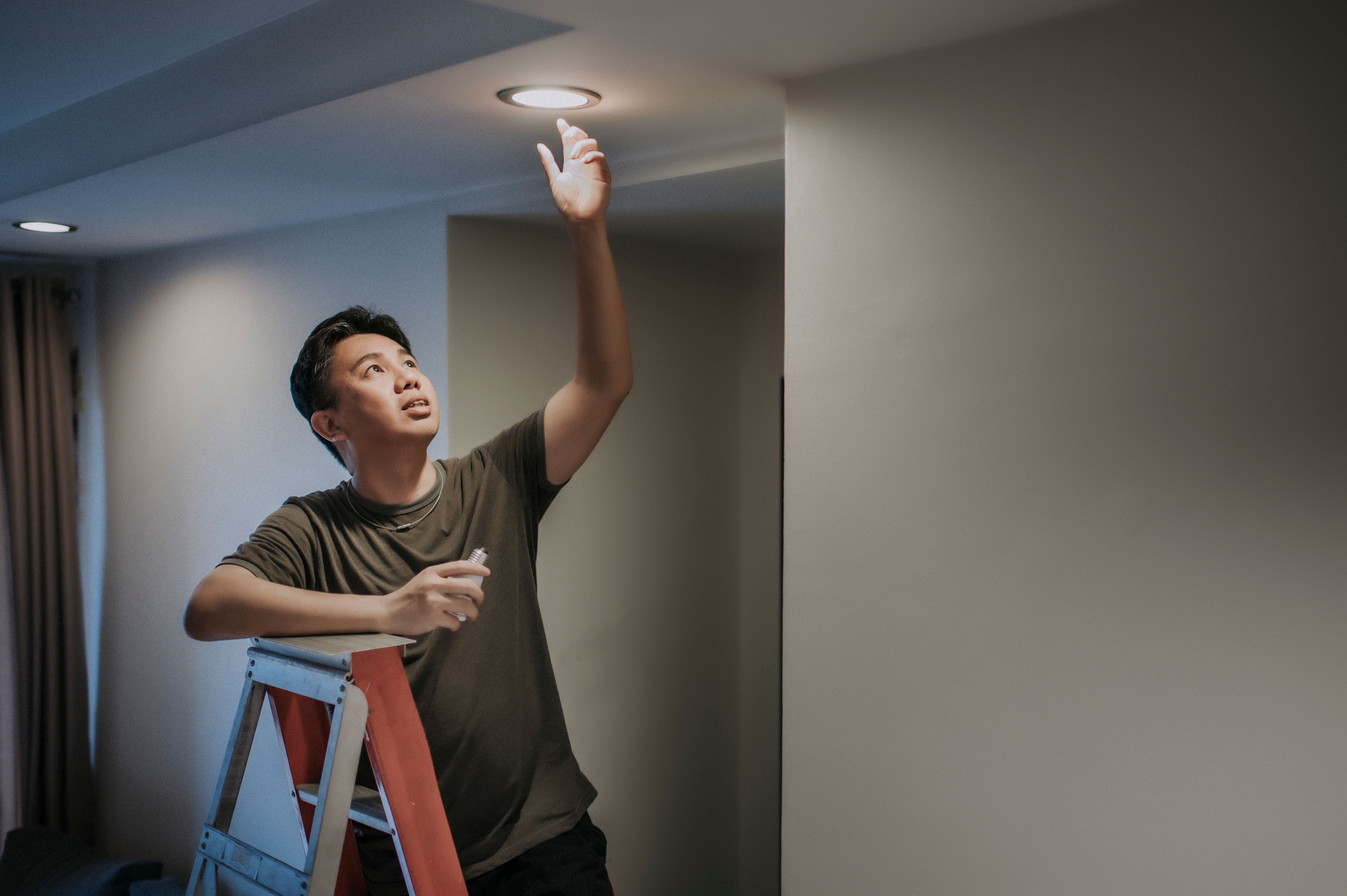
Consider installing dimmer switches to control lighting levels and reduce energy use. This simple change can create a more comfortable ambiance while saving on energy bills.
Appliance and System Upgrades
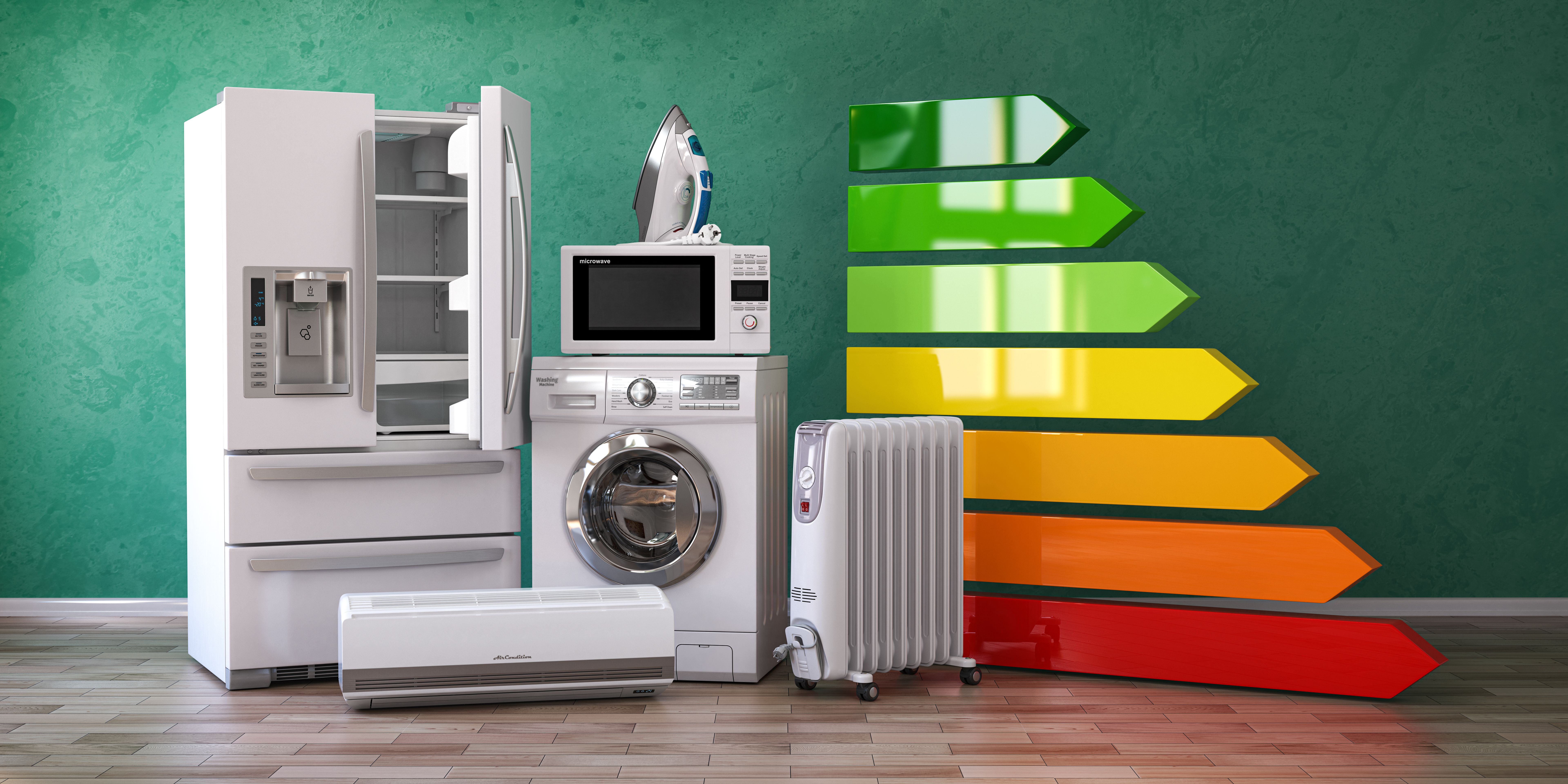
Inspect your home’s appliances and systems. Older models often consume more energy, so consider upgrading to Energy Star-rated appliances that use less electricity. Focus on high-use items like refrigerators, dishwashers, and washing machines.
Also, check your HVAC system. Regular maintenance, such as changing filters and cleaning ducts, ensures it operates efficiently. If your system is outdated, a new energy-efficient model can be a worthwhile investment.
Smart Home Technology
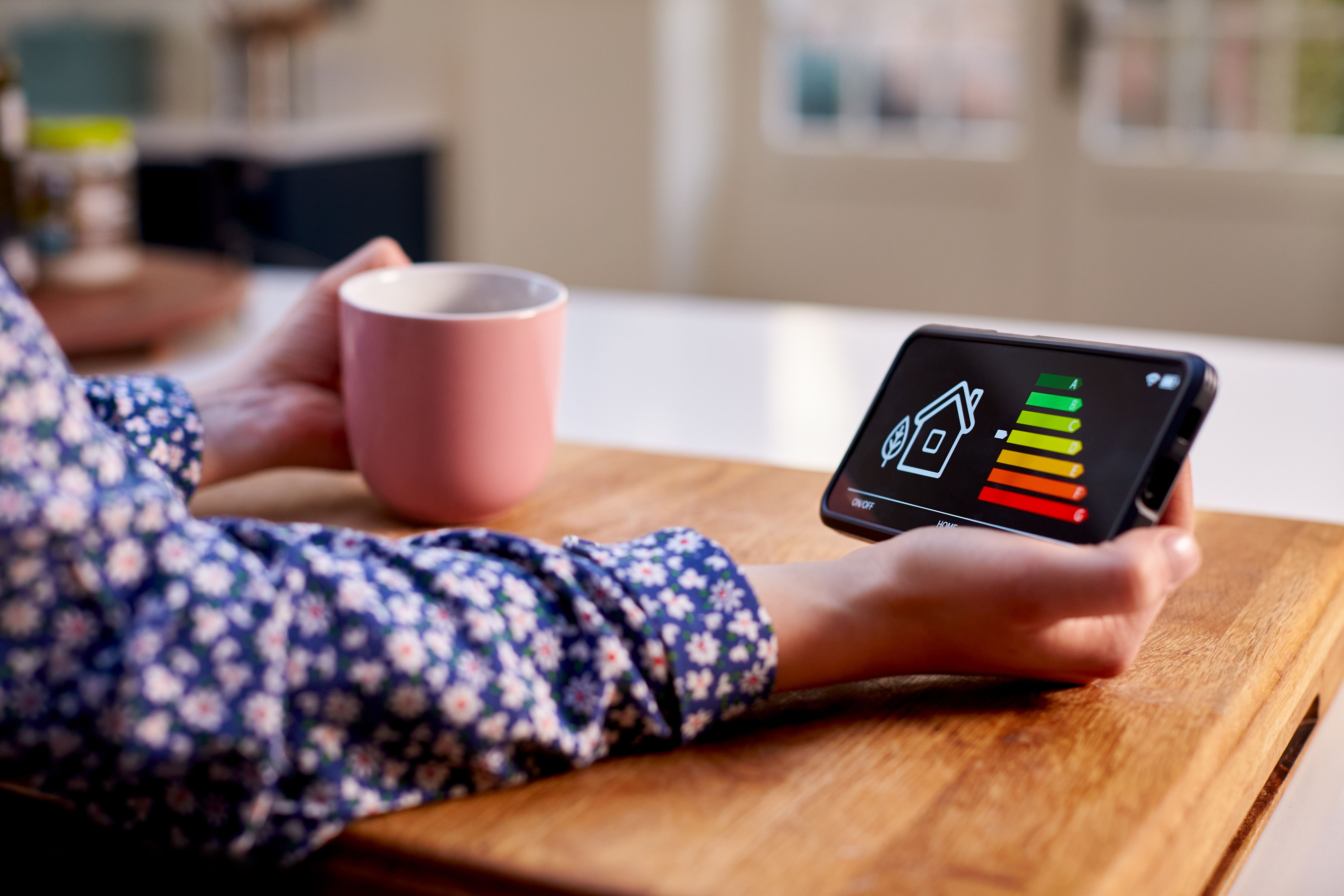
Implementing smart home technology can further enhance energy efficiency. Smart thermostats, for instance, allow you to control your home’s temperature remotely, optimizing heating and cooling schedules based on your lifestyle.
These devices learn your habits and adjust settings to maximize efficiency, ultimately saving energy and reducing costs.
Conclusion
By focusing on these DIY energy efficiency improvements before a property inspection, you not only enhance your home’s value but also contribute to a more sustainable future. These changes are investments that offer immediate benefits through reduced energy bills and long-term gains by increasing your property’s market appeal.