How to Improve Property Efficiency Ratings for Melbourne Homes


Understanding Property Efficiency Ratings
Property efficiency ratings are essential for homeowners who want to reduce energy consumption and improve sustainability. In Melbourne, these ratings are increasingly important due to rising energy costs and environmental concerns. Improving your home's efficiency rating not only benefits the planet but also enhances comfort and reduces bills.
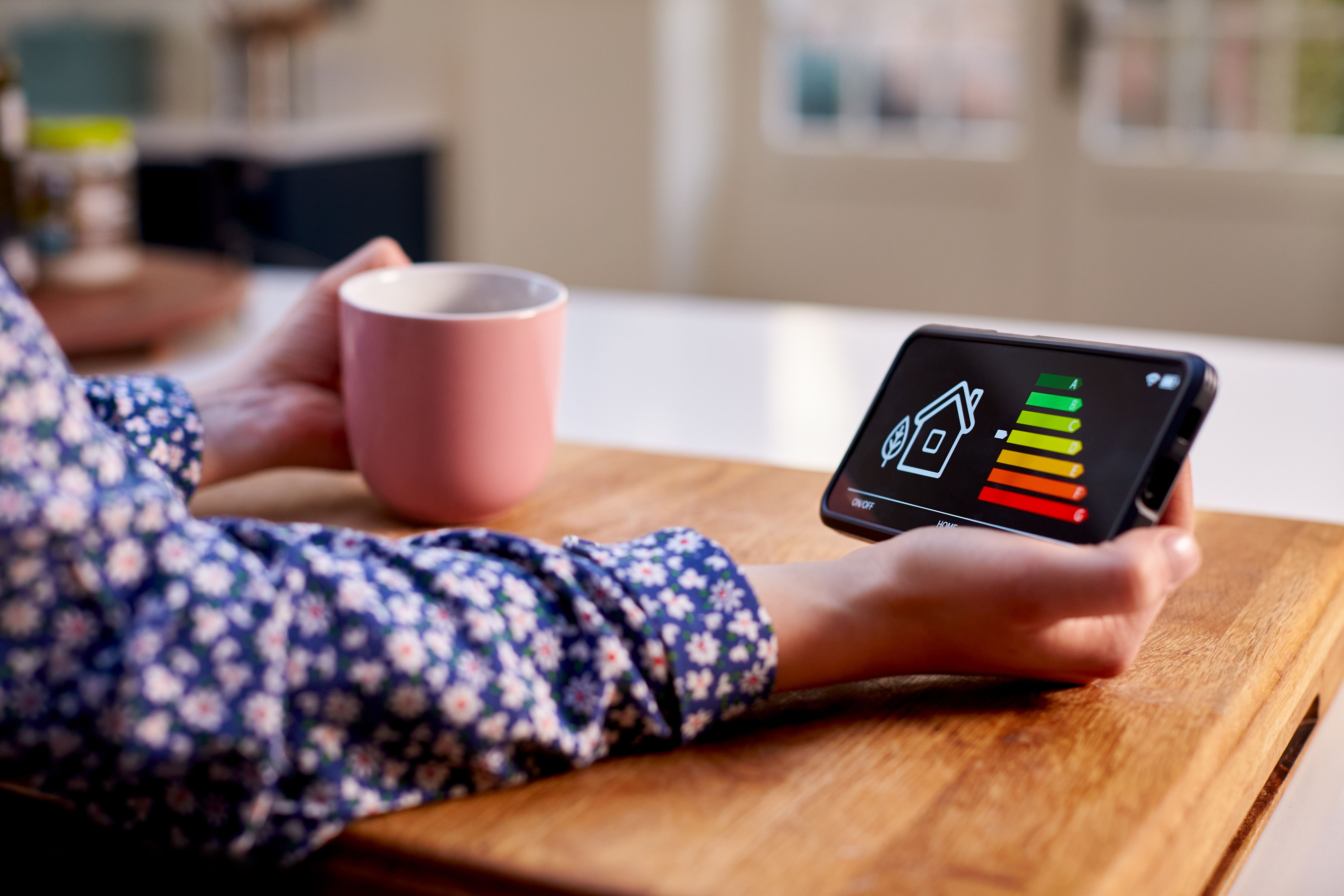
Conducting an Energy Audit
The first step to improving your property's efficiency rating is conducting an energy audit. This audit identifies areas where your home may be losing energy. You can hire a professional auditor who will provide a comprehensive analysis, or you can perform a basic audit yourself by checking for drafts, analyzing energy bills, and using thermal cameras.
Insulation and Weatherproofing
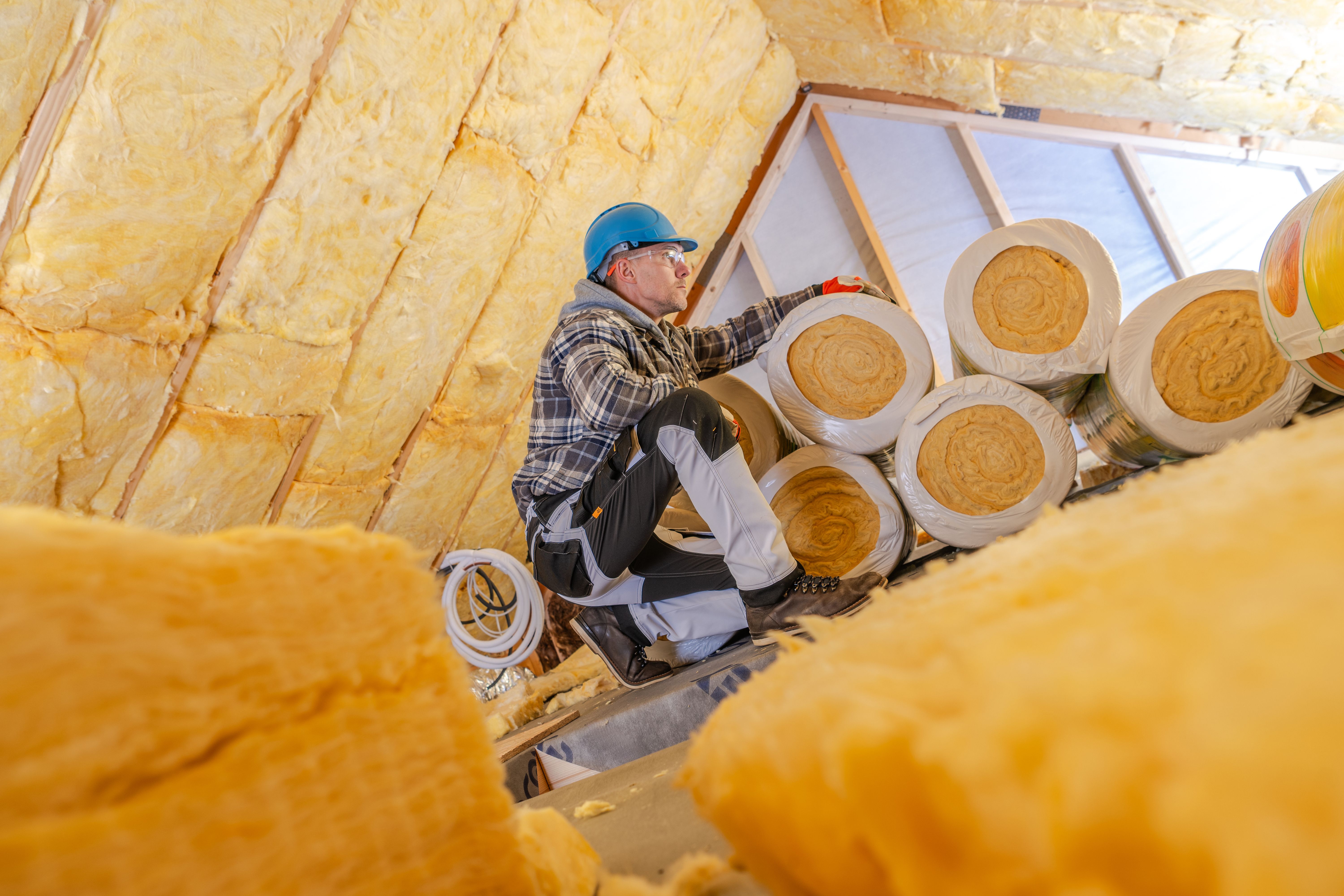
Proper insulation is crucial for maintaining a comfortable indoor temperature and reducing energy usage. Ensure your walls, roof, and floors are adequately insulated. Additionally, weatherproof your home by sealing gaps around windows and doors to prevent drafts. This simple step can significantly decrease heating and cooling costs.
Upgrading Windows and Doors
Older windows and doors can be a major source of energy loss. Consider upgrading to double-glazed windows and energy-efficient doors. These improvements help maintain indoor temperature, reduce noise, and enhance your home's efficiency rating. While the initial investment may be significant, the long-term savings are considerable.
Efficient Heating and Cooling Systems
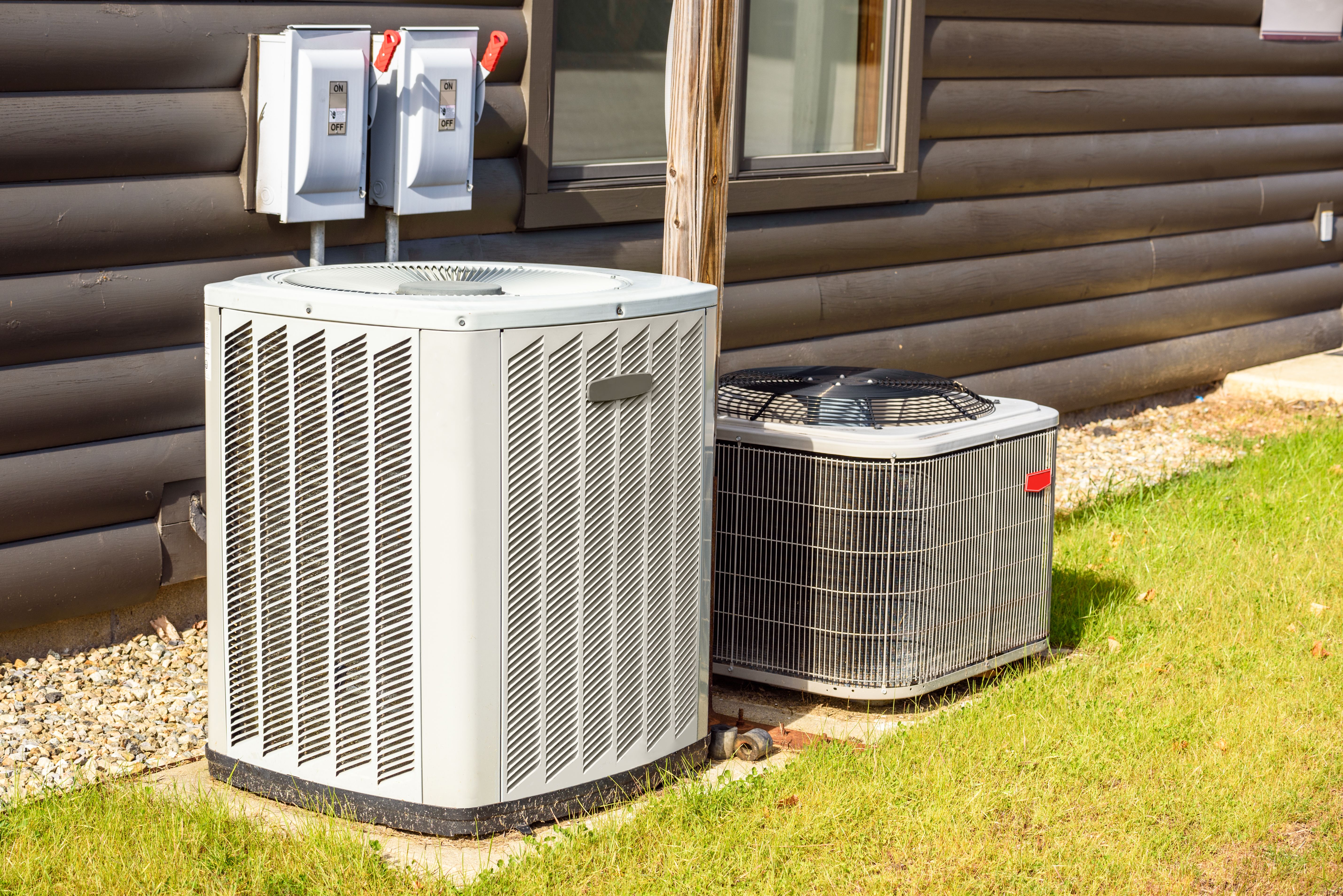
Heating and cooling account for a large portion of energy use in Melbourne homes. Upgrading to energy-efficient HVAC systems can dramatically improve your property's efficiency rating. Look for systems with high Energy Star ratings and consider using programmable thermostats to optimize energy use.
Incorporating Renewable Energy
Solar panels are a popular and effective way to boost your property's efficiency rating in Melbourne. By harnessing the sun's energy, you can reduce reliance on the grid and lower electricity bills. Government incentives are often available for solar installations, making this an attractive option for many homeowners.
Water Efficiency Measures
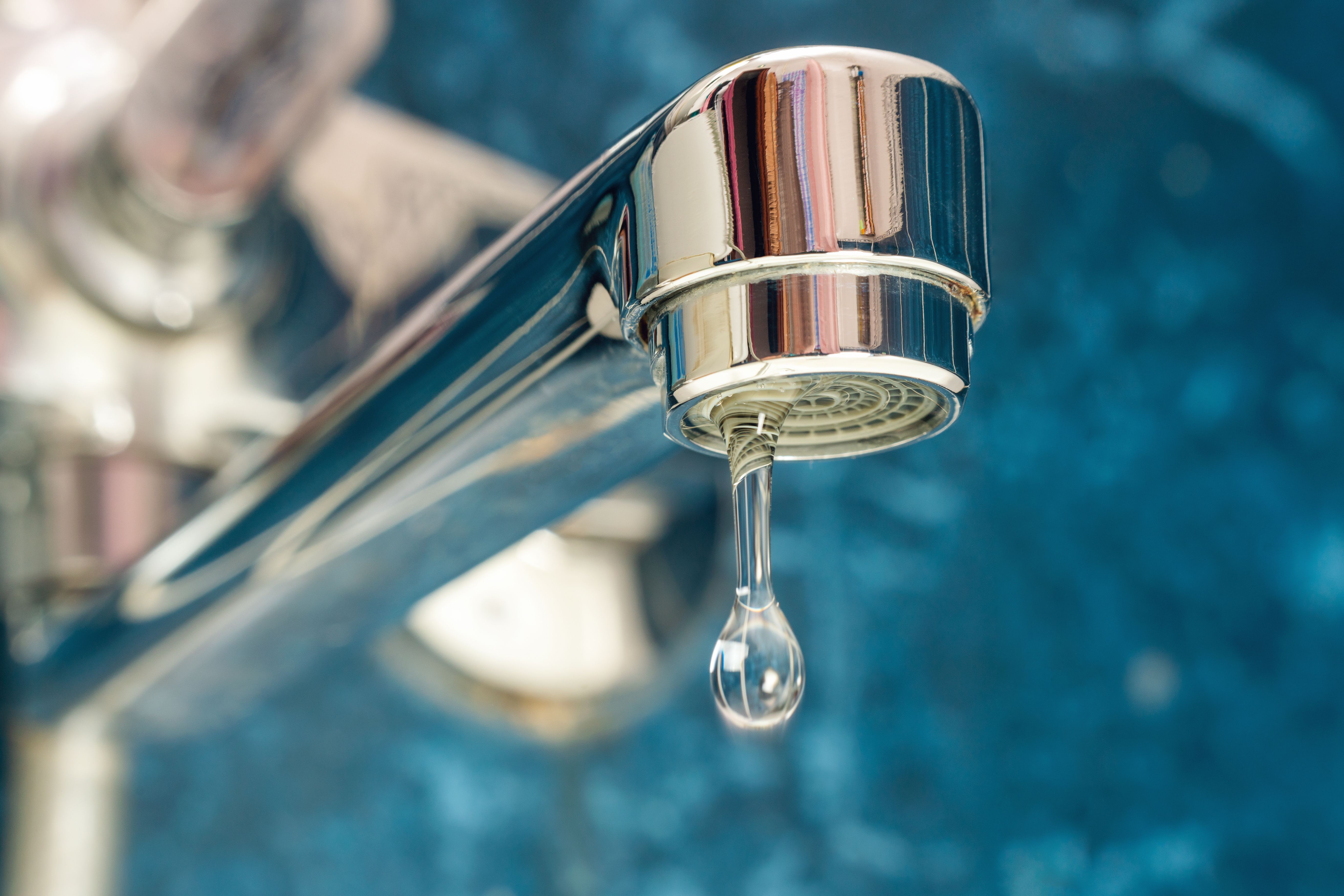
Improving water efficiency is another way to enhance your property's overall efficiency. Install water-saving fixtures such as low-flow showerheads and dual-flush toilets. Consider rainwater harvesting systems to reuse water for gardening and other non-potable uses, further reducing your environmental impact.
Smart Home Technology
Integrating smart home technology can help you monitor and manage energy use more effectively. Smart thermostats, lighting, and appliances allow you to control energy consumption remotely and optimize efficiency. These technologies provide valuable insights into your home's energy patterns, enabling informed decisions.
Regular Maintenance and Upkeep
Regular maintenance of your home’s systems and appliances ensures they operate at peak efficiency. Clean and service HVAC systems, check insulation, and repair any damages promptly. Keeping your property in good condition not only improves efficiency ratings but also prolongs the lifespan of your home’s features.