Understanding Australian Building Energy Standards: A Comprehensive Guide


Introduction to Australian Building Energy Standards
The Australian Building Energy Standards play a crucial role in ensuring energy efficiency and sustainability in the construction industry. These standards are designed to reduce energy consumption and greenhouse gas emissions, making buildings more environmentally friendly and cost-effective. Understanding these standards is essential for builders, architects, and homeowners alike.

Key Components of the Standards
Australian building energy standards encompass several key components that are essential for compliance. These include thermal performance, energy efficiency, and renewable energy integration. The focus is on creating buildings that maintain comfortable temperatures with minimal energy use.
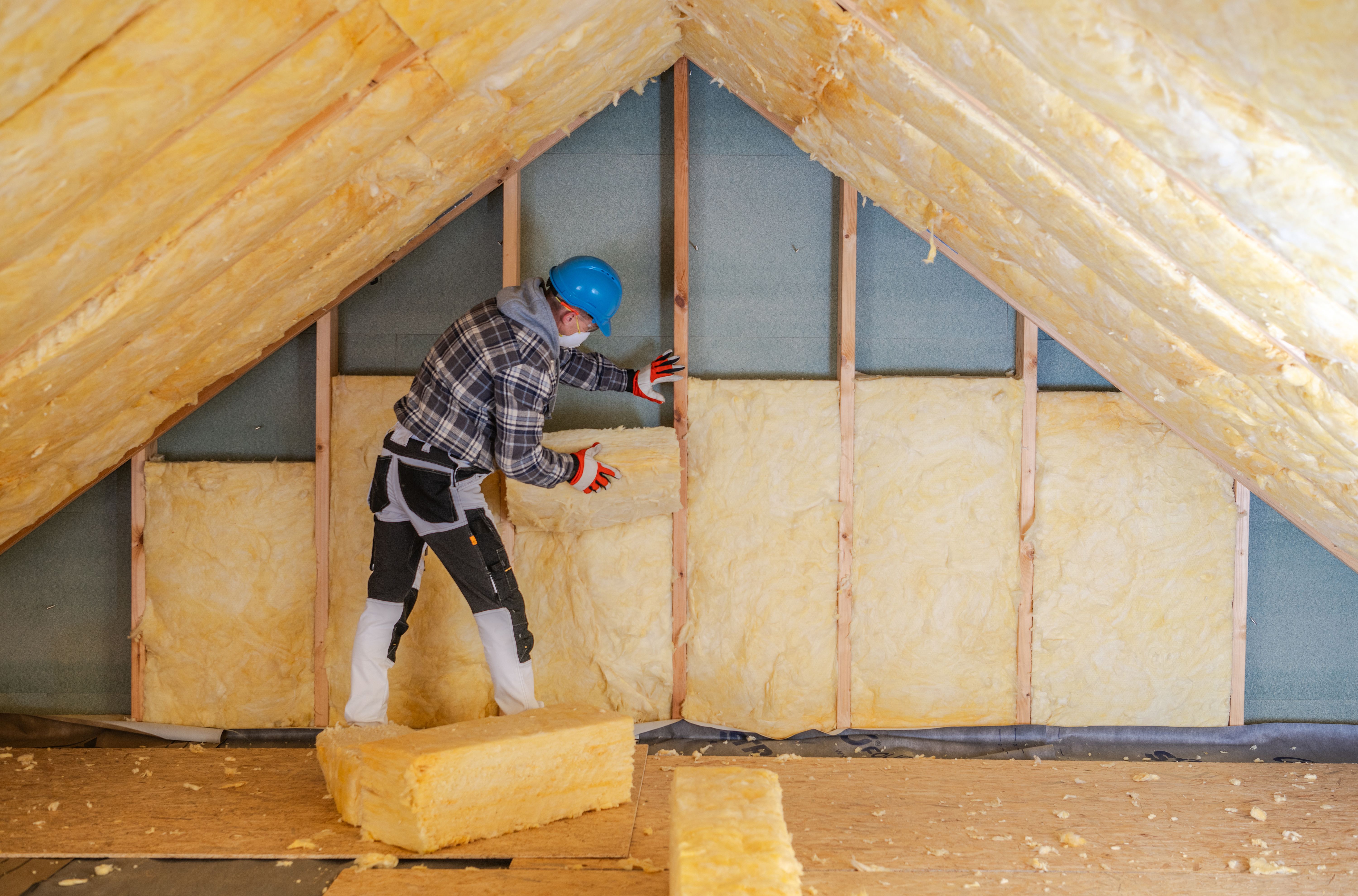
One of the primary requirements is the use of energy-efficient materials and construction techniques. This involves everything from insulation and glazing to the orientation of the building itself. By optimizing these factors, buildings can significantly reduce their energy needs.
Thermal Performance
Thermal performance is a critical aspect of building energy standards. It involves assessing how well a building maintains its internal temperature without relying heavily on heating or cooling systems. High thermal performance means a building can stay warm in winter and cool in summer, reducing the need for artificial climate control.
Energy Efficiency and Compliance
Energy efficiency is central to the Australian Building Energy Standards. Compliance with these standards often involves meeting specific energy ratings, which can be achieved through various methods. These ratings are measured using the Nationwide House Energy Rating Scheme (NatHERS), which evaluates the energy efficiency of residential buildings.
To comply, buildings must achieve a minimum star rating, which indicates their energy efficiency level. Higher ratings reflect better energy performance, leading to lower energy bills and reduced environmental impact.
Renewable Energy Integration
Integrating renewable energy sources is another important aspect of these standards. This can include solar panels, wind turbines, or other renewable technologies. By leveraging renewable energy, buildings can further reduce their reliance on non-renewable resources and contribute to a more sustainable future.

Benefits of Adhering to Energy Standards
Adhering to Australian Building Energy Standards offers numerous benefits. For homeowners, it means lower energy costs and increased comfort. For builders and developers, it provides a competitive advantage in the market by delivering high-quality, energy-efficient homes.
Moreover, these standards contribute to the broader goal of reducing Australia's carbon footprint. By ensuring all new buildings meet these energy requirements, the construction industry can play a significant role in combating climate change.
Challenges and Considerations
While the benefits are clear, there are challenges in meeting these standards. Builders and developers must stay informed about the latest requirements and technologies. Additionally, the initial investment in energy-efficient materials and systems can be higher, though the long-term savings often offset these costs.

Conclusion
Understanding and implementing Australian Building Energy Standards is vital for anyone involved in the construction industry. These standards not only help reduce energy consumption and environmental impact but also enhance the quality and comfort of buildings. By staying informed and committed to these principles, we can all contribute to a more sustainable and energy-efficient future.