Common Misconceptions About Energy Assessments Debunked


Understanding Energy Assessments
Energy assessments are crucial for identifying opportunities to improve energy efficiency in homes and businesses. However, there are several misconceptions surrounding these assessments. In this post, we aim to debunk some of the most common myths, providing clarity on the actual benefits and processes involved.

Myth 1: Energy Assessments Are Expensive
One of the most prevalent misconceptions is that energy assessments are costly and not worth the investment. In reality, many assessments are offered at no cost or are subsidized by local or national programs. Even if there is a fee, the potential savings from implementing recommended improvements often outweigh the initial cost.
Additionally, energy assessments can uncover simple, low-cost changes that can lead to significant savings on energy bills. By understanding where energy is being wasted, homeowners and businesses can make informed decisions that lead to long-term financial benefits.
Myth 2: Only Older Buildings Need Assessments
Another misconception is that only older buildings require energy assessments. While older buildings may have more obvious inefficiencies, new constructions can also benefit from assessments. Modern buildings might still have hidden energy leaks or inefficient systems that go unnoticed without a professional evaluation.

Energy assessments are valuable for any structure, regardless of age, as they ensure that the building operates at maximum efficiency and supports sustainability goals.
Myth 3: Assessments Are Intrusive
Some people believe that energy assessments are intrusive and disruptive. However, most assessments are straightforward and non-intrusive. Trained professionals conduct evaluations with minimal disturbance, often completing their work in a single visit.
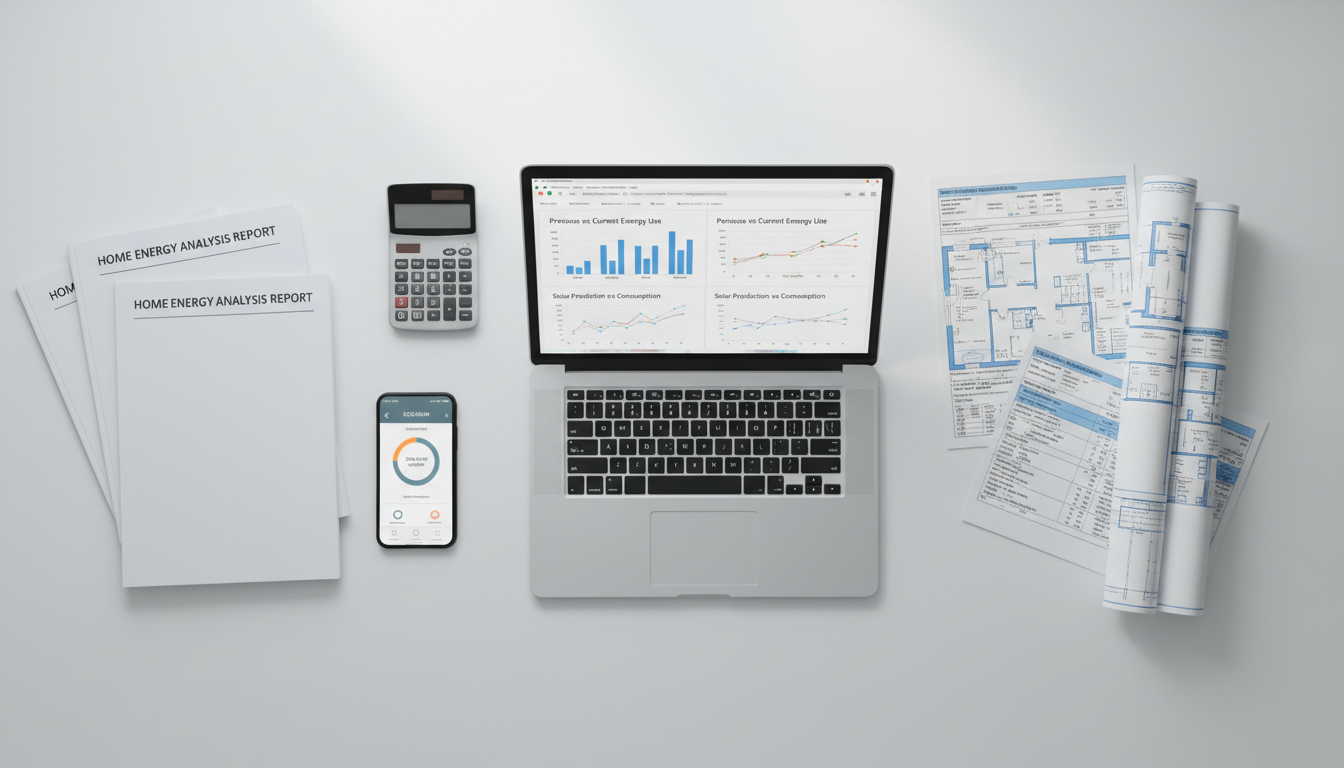
These assessments typically involve reviewing energy bills, inspecting HVAC systems, and using tools like infrared cameras to detect leaks. The process is designed to be as seamless as possible, ensuring that it does not interfere with daily operations.
Myth 4: Energy Efficiency Means Sacrificing Comfort
There is a common belief that improving energy efficiency requires sacrificing comfort. On the contrary, energy assessments often lead to enhanced comfort levels. By identifying and addressing issues such as poor insulation or inefficient heating systems, buildings can maintain more consistent temperatures and improved air quality.
Implementing energy-efficient measures not only reduces costs but also enhances the overall living or working environment.
Myth 5: Results Are Not Immediate
Some assume that the benefits of energy assessments take a long time to materialize. In fact, many improvements recommended during assessments can lead to immediate reductions in energy usage and costs. Simple actions, like sealing leaks or adjusting thermostat settings, can have a quick impact.
For more extensive upgrades, while the initial investment might take time to recoup, the long-term savings and environmental benefits make it worthwhile.
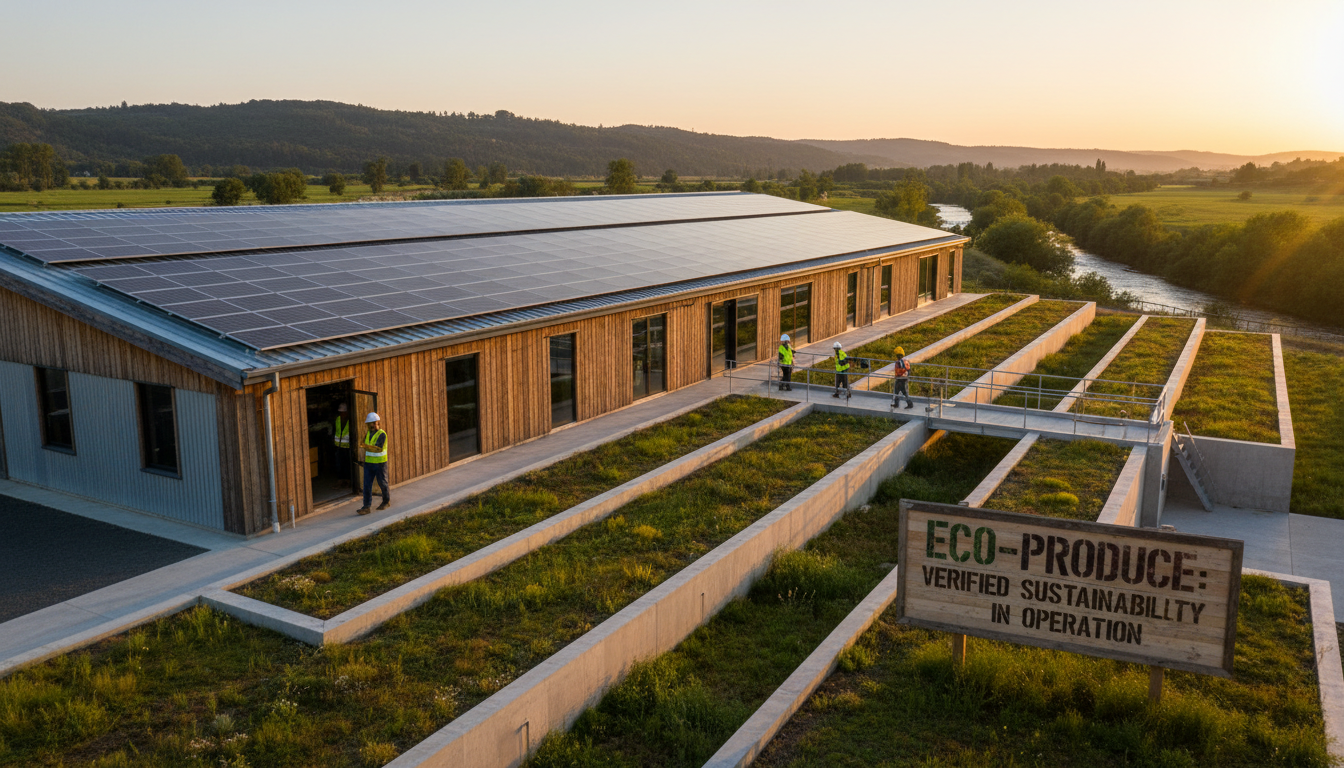
In conclusion, energy assessments are a powerful tool for enhancing energy efficiency. By debunking these common misconceptions, we hope to encourage more individuals and businesses to take advantage of this valuable service. Embracing energy assessments can lead to substantial financial savings, increased comfort, and a positive environmental impact.