Common Misconceptions About Energy Upgrades in Australia


Understanding Energy Upgrades
Energy upgrades are becoming increasingly popular in Australia as homeowners and businesses strive to reduce energy costs and environmental impact. However, there are several misconceptions surrounding these upgrades that can lead to confusion and hesitation. Below, we explore some of the most common misunderstandings to help you make informed decisions.
Misconception 1: Energy Upgrades Are Too Expensive
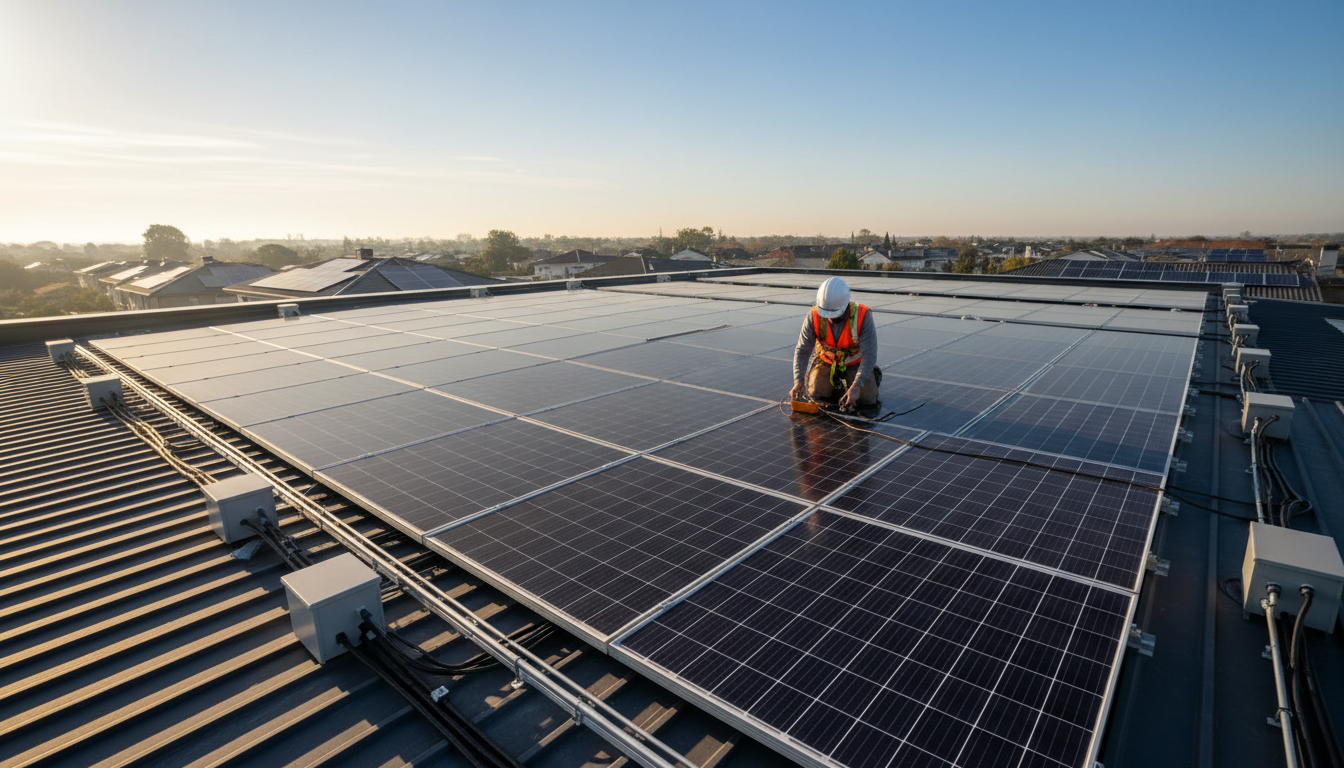
One of the most prevalent myths is that energy upgrades are prohibitively expensive. While it's true that the initial investment can be significant, the long-term savings often outweigh the costs. Many energy-efficient technologies, such as solar panels and LED lighting, can dramatically reduce your energy bills. Additionally, government incentives and rebates can further decrease the financial burden.
In some cases, financing options are available to spread the cost over time, making energy upgrades more accessible. It's important to consider the return on investment, as many upgrades pay for themselves within a few years.
Misconception 2: Energy Efficiency Means Sacrificing Comfort
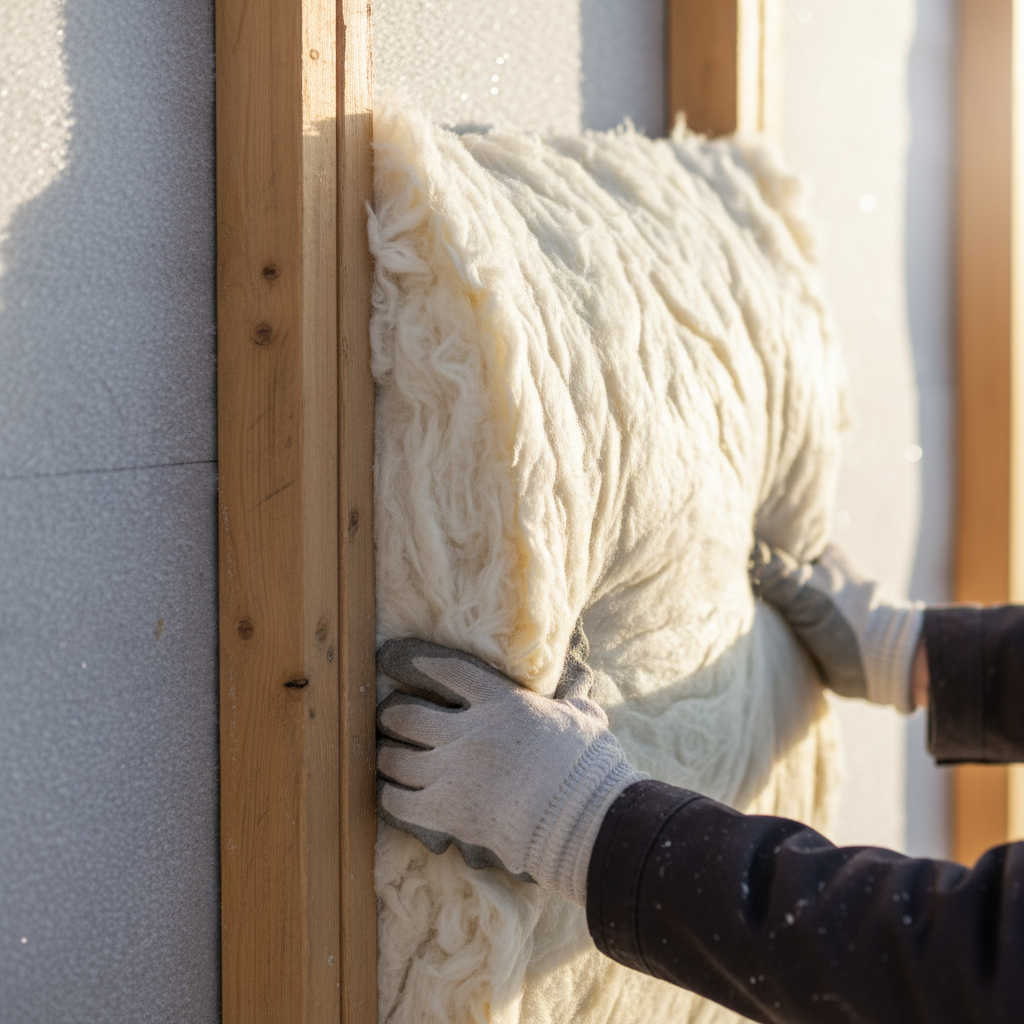
Another common belief is that energy-efficient homes are less comfortable. This couldn't be further from the truth. In fact, energy upgrades often enhance comfort levels. Improved insulation, for example, can maintain a consistent indoor temperature, reducing the need for excessive heating or cooling.
Smart thermostats and energy-efficient appliances also contribute to a more comfortable living environment by allowing for precise control over your home's climate. These technologies ensure that comfort doesn't come at the expense of efficiency.
Misconception 3: Solar Panels Are Unreliable in Australia
Some individuals worry that Australia's variable weather conditions make solar panels an unreliable energy source. However, solar technology has advanced significantly, and modern panels are designed to function efficiently even on cloudy days. Australia, with its abundant sunshine, is actually an ideal location for solar energy.
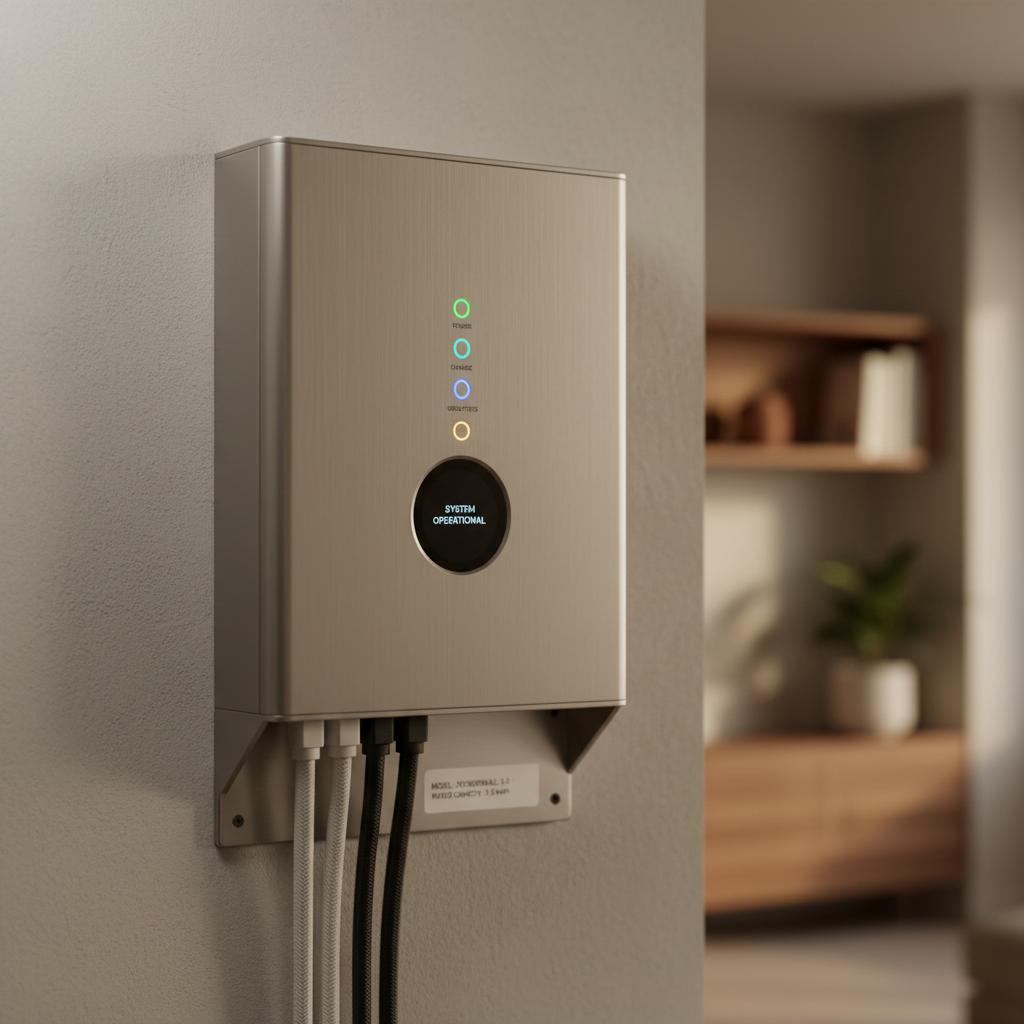
Moreover, solar battery storage systems can store excess energy generated during sunny periods, providing a reliable power source even when the sun isn't shining. This makes solar a dependable and sustainable option for many Australians.
Misconception 4: Only New Homes Can Be Energy Efficient
Many people think that only new homes can achieve high levels of energy efficiency. While new constructions often incorporate the latest technologies, existing homes can also be upgraded to improve energy performance. Retrofitting options such as installing double-glazed windows, upgrading insulation, and replacing outdated appliances can significantly boost a home's efficiency.
Homeowners should consider an energy audit to identify the most effective upgrades for their specific situation. This tailored approach ensures that even older homes can become energy-efficient without a complete overhaul.
Conclusion: Making Informed Decisions
It's crucial to separate fact from fiction when considering energy upgrades. By understanding the realities behind these common misconceptions, Australians can make informed decisions that benefit both their wallets and the environment. Embracing energy efficiency is more accessible than many realize, offering long-term advantages that go beyond cost savings.