Comprehensive Guide to Australian Building Energy Standards


Understanding Australian Building Energy Standards
Australia's commitment to energy efficiency is reflected in its comprehensive building energy standards. These standards are designed to reduce energy consumption and enhance sustainability in residential and commercial buildings. They play a crucial role in shaping the future of Australia's built environment.
Overview of Key Standards
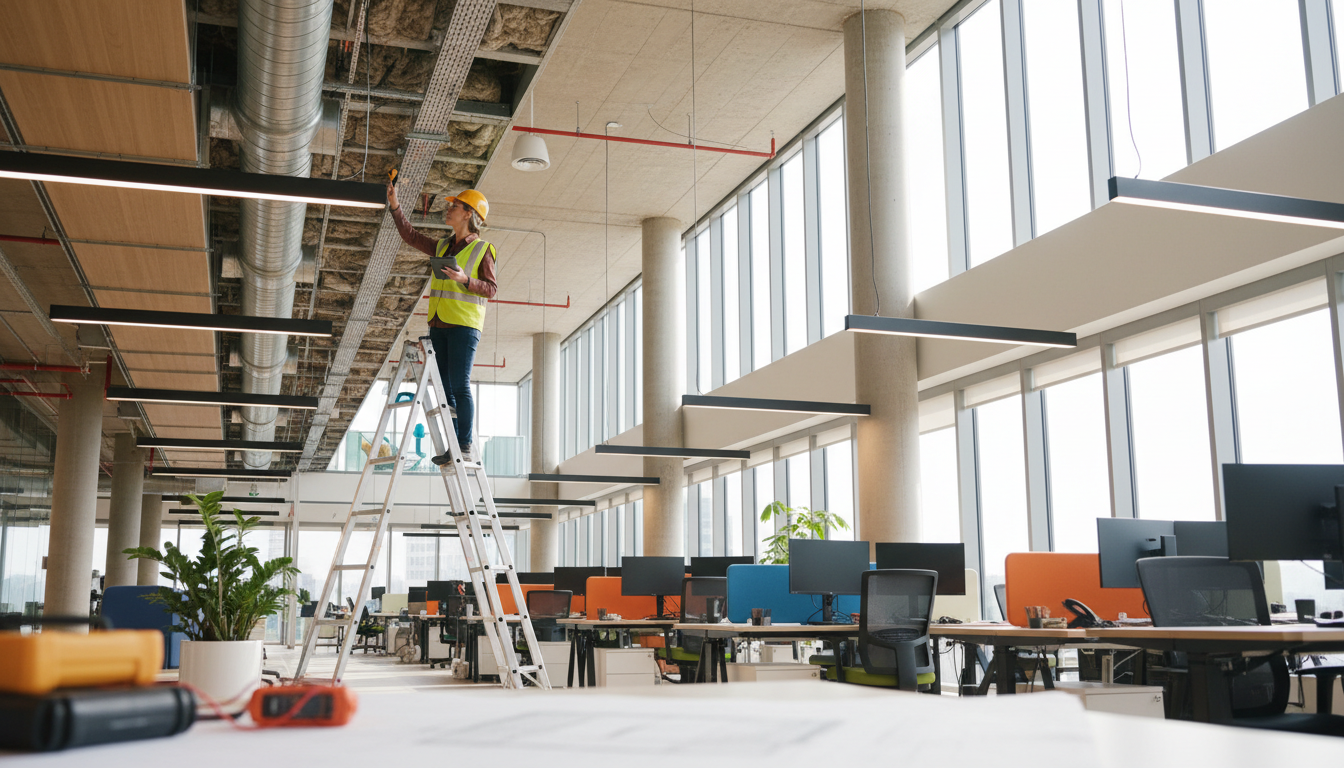
The National Construction Code (NCC) is the cornerstone of Australian building standards. It includes provisions for energy efficiency that apply to new constructions and significant renovations. The NCC sets minimum energy performance requirements to ensure buildings are both comfortable and cost-effective to run.
Apart from the NCC, the Nationwide House Energy Rating Scheme (NatHERS) is another crucial component. This scheme provides a star rating system for homes based on their energy efficiency, ranging from zero to ten stars. The higher the star rating, the more energy-efficient the home is.
Importance of Compliance
Complying with these standards is not just a regulatory requirement but also offers numerous benefits. Energy-efficient buildings typically have lower operating costs due to reduced energy consumption. Additionally, they contribute to a lower carbon footprint, aligning with global sustainability goals.
Design and Construction Considerations
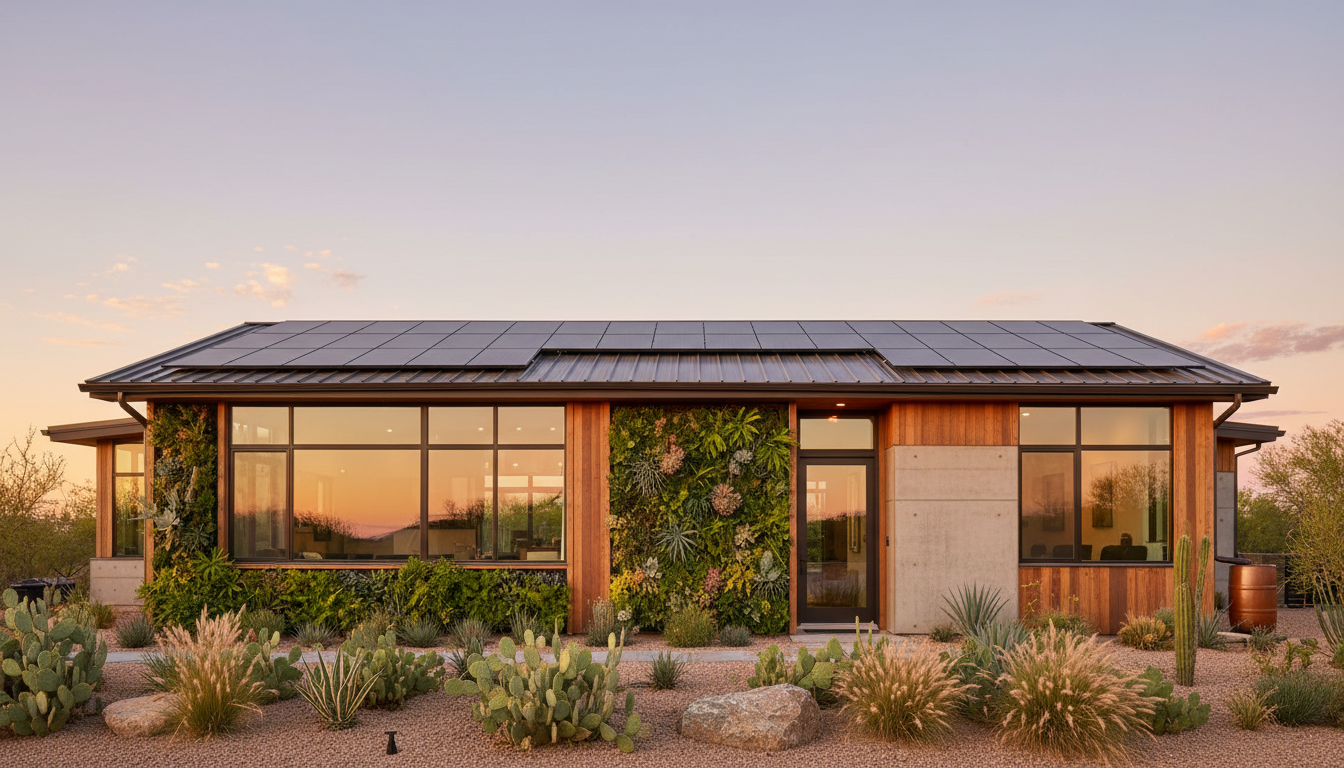
When designing and constructing buildings, several factors must be considered to meet energy standards. These include insulation, window glazing, and the use of energy-efficient appliances. Proper orientation and shading can also significantly impact a building's energy performance.
Using sustainable materials and adopting innovative technologies can further enhance energy efficiency. Building designers and architects need to stay informed about the latest developments and incorporate them into their projects.
Challenges and Opportunities
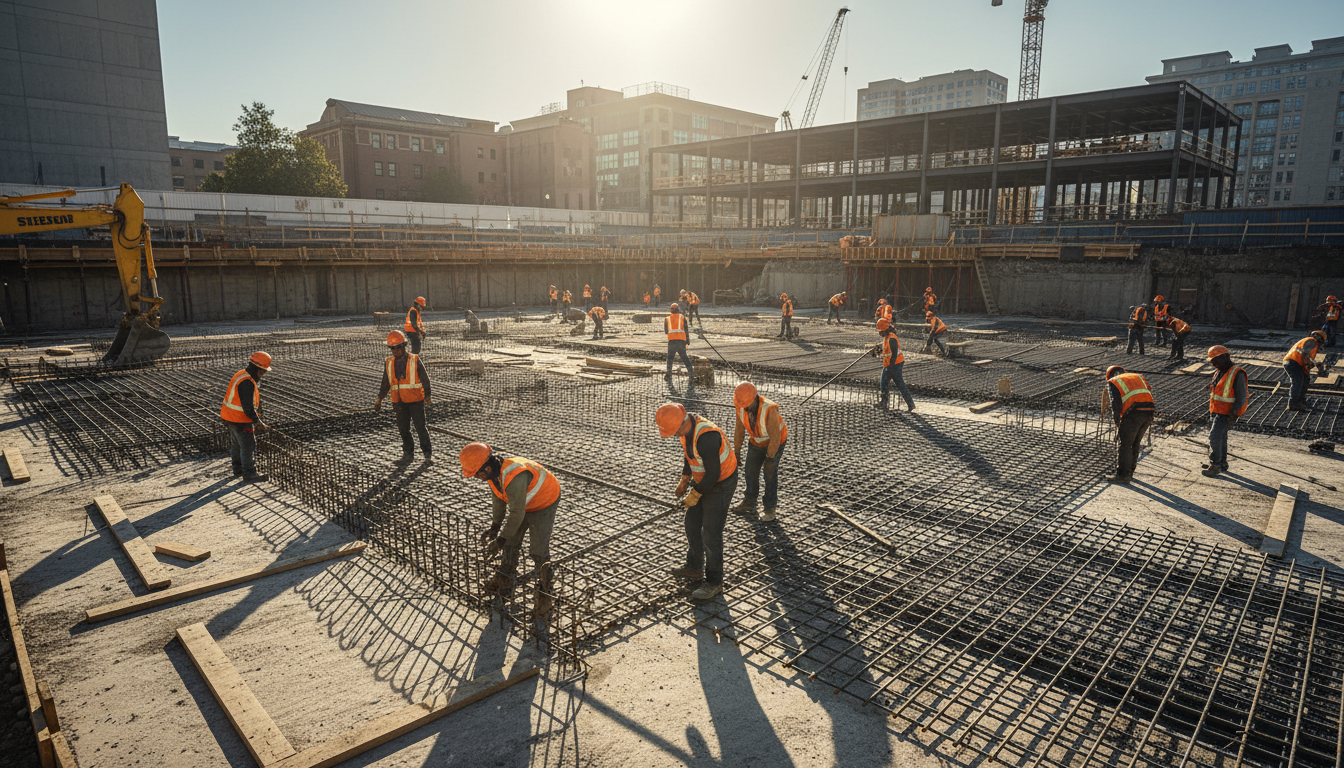
While the benefits of adhering to energy standards are clear, there are challenges in implementation. Builders and developers may face increased upfront costs. However, these are often offset by long-term savings and increased property value.
Opportunities abound for those willing to innovate. The growing demand for energy-efficient buildings opens up new markets and drives technological advancements. By embracing these changes, the construction industry can lead the way in sustainability.
The Road Ahead
Australia's building energy standards continue to evolve, reflecting technological advancements and environmental priorities. Ongoing updates to the NCC and other regulations ensure that the standards stay relevant and effective.
Stakeholders in the construction industry must remain proactive, seeking continuous improvement and innovation. By doing so, they can contribute to a more sustainable future for Australia.