How Melbourne's Climate Impacts Energy Efficiency Ratings


Melbourne's unique climate plays a significant role in determining the energy efficiency of homes and buildings. With its distinct seasonal changes, the city experiences a wide range of temperatures and weather conditions, impacting how energy is consumed and conserved.
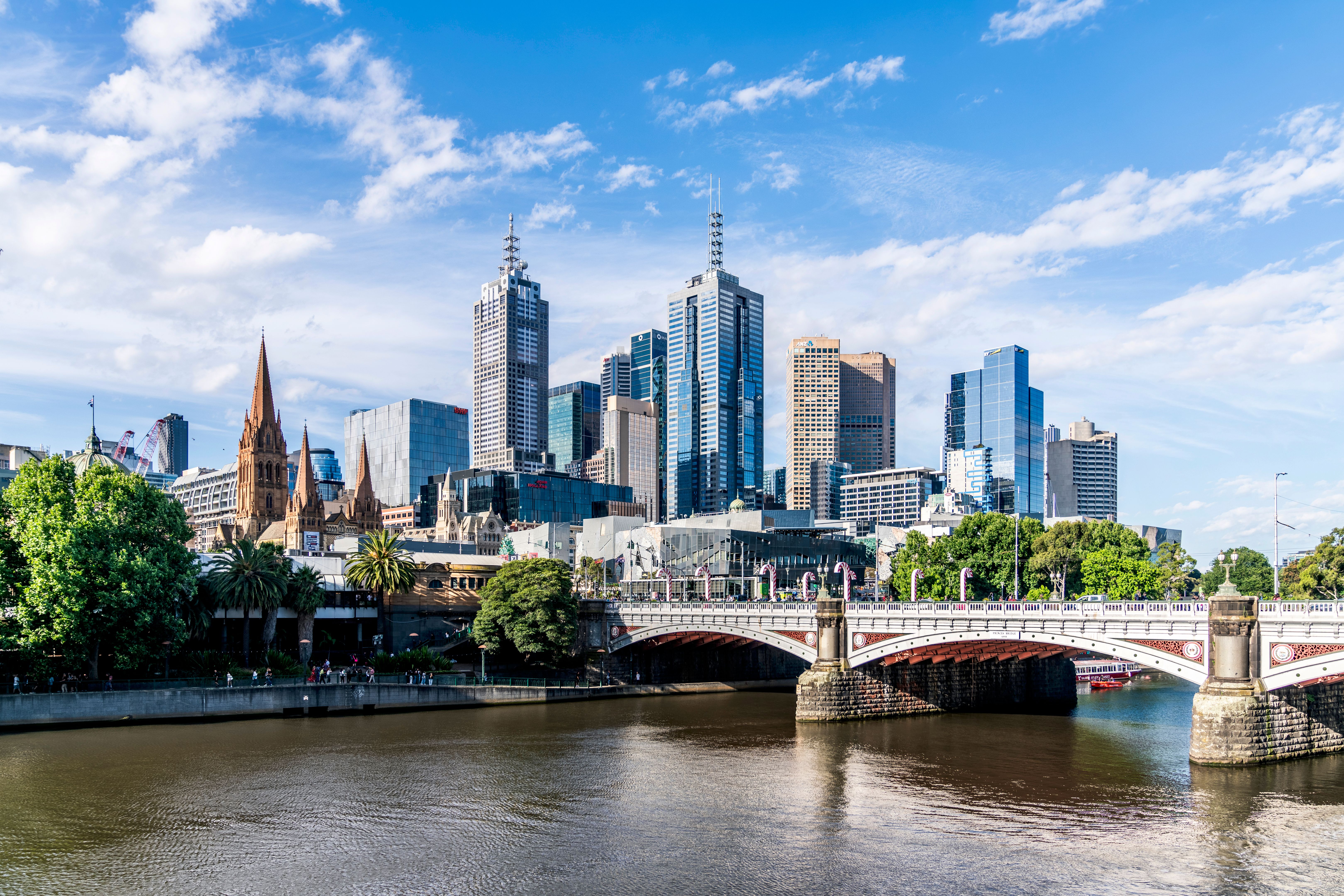
Understanding Melbourne's Climate
Melbourne is known for its unpredictable weather and diverse climate. The city experiences hot summers, mild autumns, cool winters, and fresh springs. This variability requires buildings to be adaptable to changing temperatures and conditions. Energy efficiency ratings are crucial in ensuring that homes remain comfortable throughout the year while minimizing energy consumption.
Summer Heat and Its Challenges
During the summer months, temperatures in Melbourne can soar, leading to increased reliance on air conditioning. This spike in energy use can significantly affect energy efficiency ratings. Homes with poor insulation or outdated cooling systems may struggle to maintain comfort without excessive electricity use.

Improving insulation, using energy-efficient windows, and incorporating shading solutions can help reduce the energy demand during these hot periods. These measures not only enhance comfort but also contribute to better energy efficiency ratings.
Winter's Cooling Effect
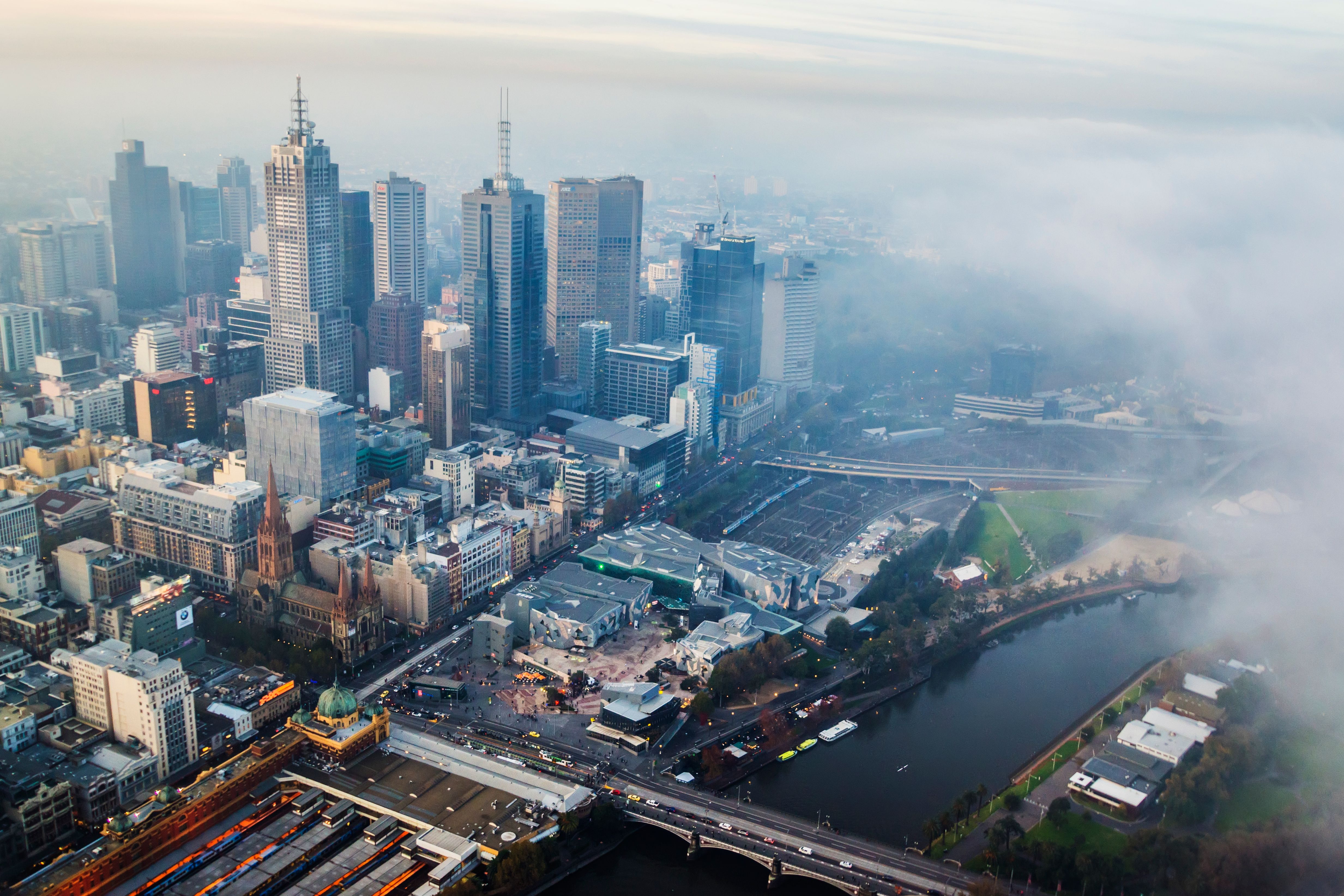
Conversely, Melbourne's winters can be quite chilly, requiring effective heating solutions. Poorly insulated homes may lose heat quickly, leading to higher energy consumption. Energy efficiency ratings often reflect the effectiveness of a building's heating system and insulation in maintaining warmth during cold spells.
Strategies for Enhanced Efficiency
To improve energy efficiency ratings in winter, consider the following strategies:
- Invest in high-quality insulation to prevent heat loss.
- Upgrade to energy-efficient heating systems like heat pumps.
- Seal gaps and cracks to reduce drafts and improve thermal performance.
Seasonal Transitions and Their Impact
Melbourne's transitional seasons, autumn and spring, also influence energy efficiency. During these times, the weather can shift rapidly, requiring flexible energy solutions. Buildings that can harness natural ventilation and passive solar design typically achieve better energy performance.
The Role of Technology
Modern technology plays a pivotal role in improving energy efficiency ratings. Smart home systems, energy management software, and renewable energy sources like solar panels can significantly enhance a building's energy profile. These technologies allow for real-time monitoring and adjustments, optimizing energy use according to the weather conditions.

In conclusion, Melbourne's climate presents both challenges and opportunities for energy efficiency. By understanding the impact of seasonal changes and implementing effective strategies, residents and businesses can improve their energy efficiency ratings, reduce costs, and contribute to a more sustainable future.