How to Conduct a DIY Energy Audit for Your Melbourne Home


Understanding the Importance of an Energy Audit
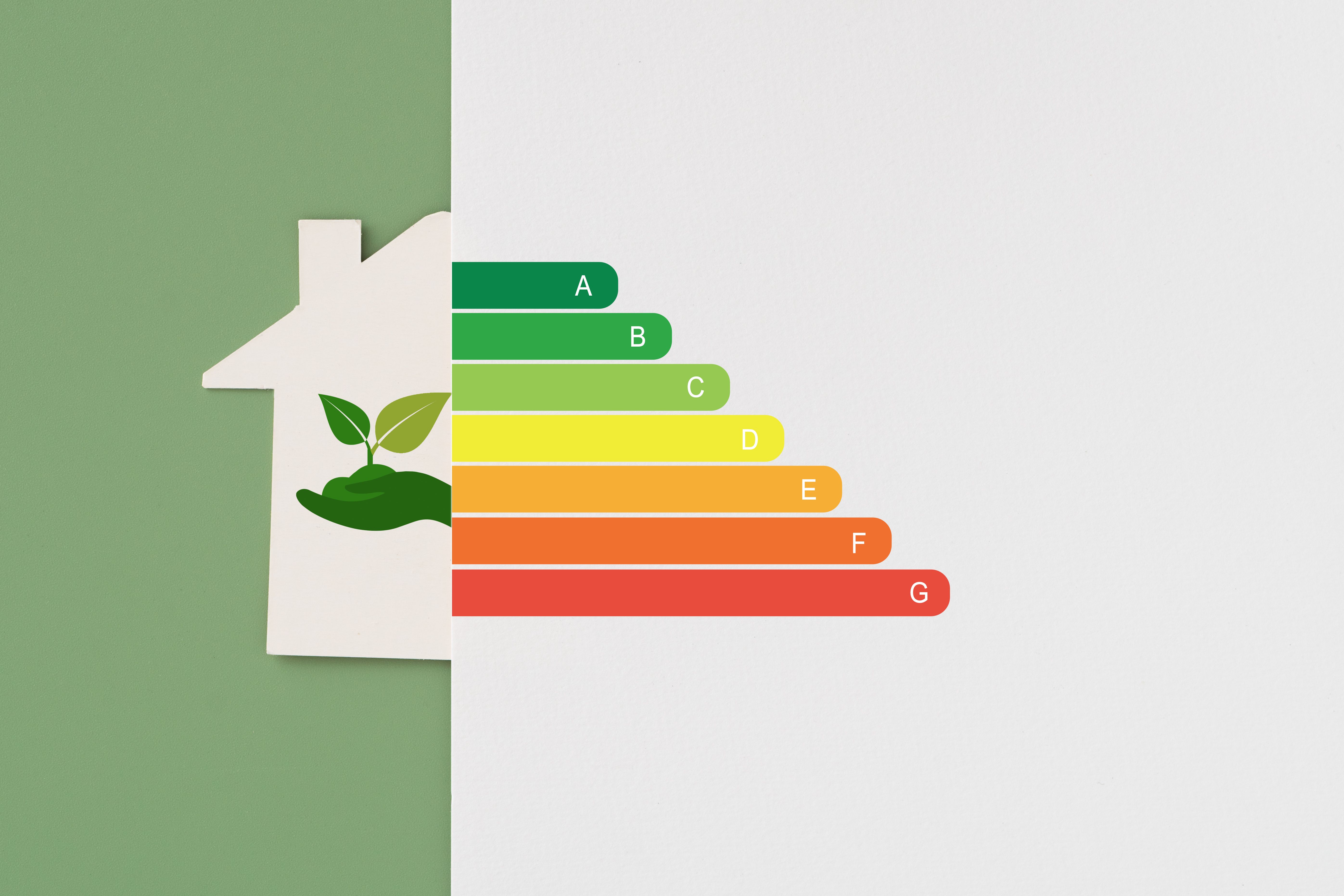
Conducting a DIY energy audit for your Melbourne home can significantly reduce your energy bills and enhance your home's efficiency. By identifying areas where energy is being wasted, you can make informed decisions about improvements. This process is not only cost-effective but also contributes to a more sustainable lifestyle.
Getting Started with Your DIY Energy Audit
Before you begin, gather a few basic tools: a notepad, a camera or smartphone, and a flashlight. Walk around your home and make notes of areas where energy might be wasted. Pay attention to drafts, lighting, appliances, and insulation. These observations will guide your audit process.
Identifying Drafts and Air Leaks
Start by checking for drafts around windows and doors. Use your hand to feel for any cool air coming through. You can also use a lit candle; if the flame flickers, there might be a leak. Seal any gaps with weatherstripping or caulk to prevent air from escaping.

Inspecting Insulation
Proper insulation is crucial for maintaining your home's temperature. Check your attic, walls, and floors for adequate insulation. If you notice any gaps or thin spots, consider adding more insulation. This can greatly decrease the amount of energy needed to heat or cool your home.
Evaluating Lighting and Appliances
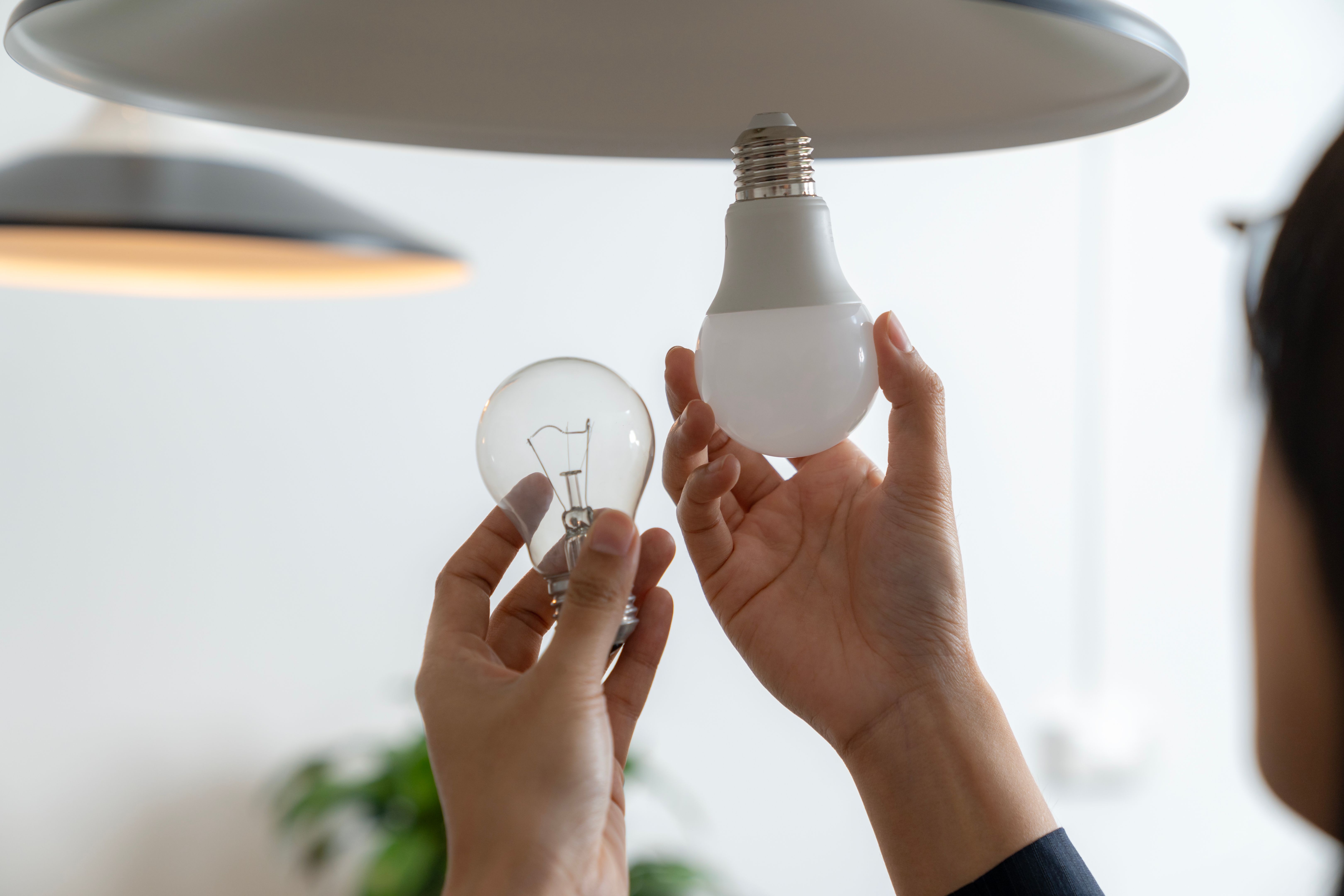
Lighting can be a significant energy drain. Replace old incandescent bulbs with energy-efficient LED bulbs. These not only consume less power but also last longer. Additionally, assess your appliances. Older models might consume more energy, so consider upgrading to energy-efficient versions.
Examining Heating and Cooling Systems
Heating and cooling systems are often the largest energy consumers in a home. Check filters, ducts, and vents to ensure they are clean and unobstructed. Regular maintenance can enhance efficiency and prolong the life of your system. Consider a programmable thermostat to better control your usage.
Reviewing Your Energy Bills
Finally, take a close look at your energy bills over the past year. Note any patterns or spikes in usage. This can help you identify specific times or areas where your energy consumption is higher, allowing you to target those for improvement.

Taking Action and Reaping the Benefits
Once you've completed your audit, prioritize the areas that need immediate attention. Implementing even small changes can lead to significant savings. By taking these steps, you're not only reducing your energy costs but also contributing to a more sustainable environment.
Conducting a DIY energy audit in your Melbourne home is a simple yet effective way to understand and manage your energy consumption. With just a bit of effort, you can enjoy a more efficient, comfortable, and environmentally friendly home.