The Ultimate Guide to Energy Assessments in Melbourne


What is an Energy Assessment?
An energy assessment, often referred to as an energy audit, is a comprehensive evaluation of a property's energy use. In Melbourne, these assessments help identify areas where energy efficiency can be improved, ultimately reducing energy costs and environmental impact. An energy assessment can be conducted for both residential and commercial properties, providing valuable insights into energy consumption patterns.

Benefits of Energy Assessments
Conducting an energy assessment offers numerous benefits. Firstly, it helps in identifying energy wastage and recommends solutions to improve efficiency. This leads to reduced utility bills. Additionally, enhancing energy efficiency contributes to a smaller carbon footprint, supporting Melbourne’s sustainability goals. Moreover, energy-efficient buildings often have higher property values and increased marketability.
Cost Savings
One of the primary advantages of an energy assessment is the potential for cost savings. By implementing the recommended changes, property owners can significantly reduce their energy bills. This is especially beneficial for businesses looking to cut operational costs and improve profitability.
Types of Energy Assessments
In Melbourne, there are various types of energy assessments available. These include:
- Walk-Through Assessment: A basic inspection to identify major energy-saving opportunities.
- Standard Assessment: A more detailed evaluation, including energy consumption data analysis.
- Comprehensive Assessment: An in-depth audit with detailed recommendations and potential upgrades.
Choosing the Right Assessment
Choosing the appropriate type of energy assessment depends on the property's size, usage patterns, and specific goals. For larger buildings or those with complex systems, a comprehensive assessment might be more suitable. However, for smaller properties, a standard or walk-through assessment may suffice.
The Energy Assessment Process
The process of conducting an energy assessment typically involves several steps:
- Initial Consultation: Discussing goals and collecting preliminary data.
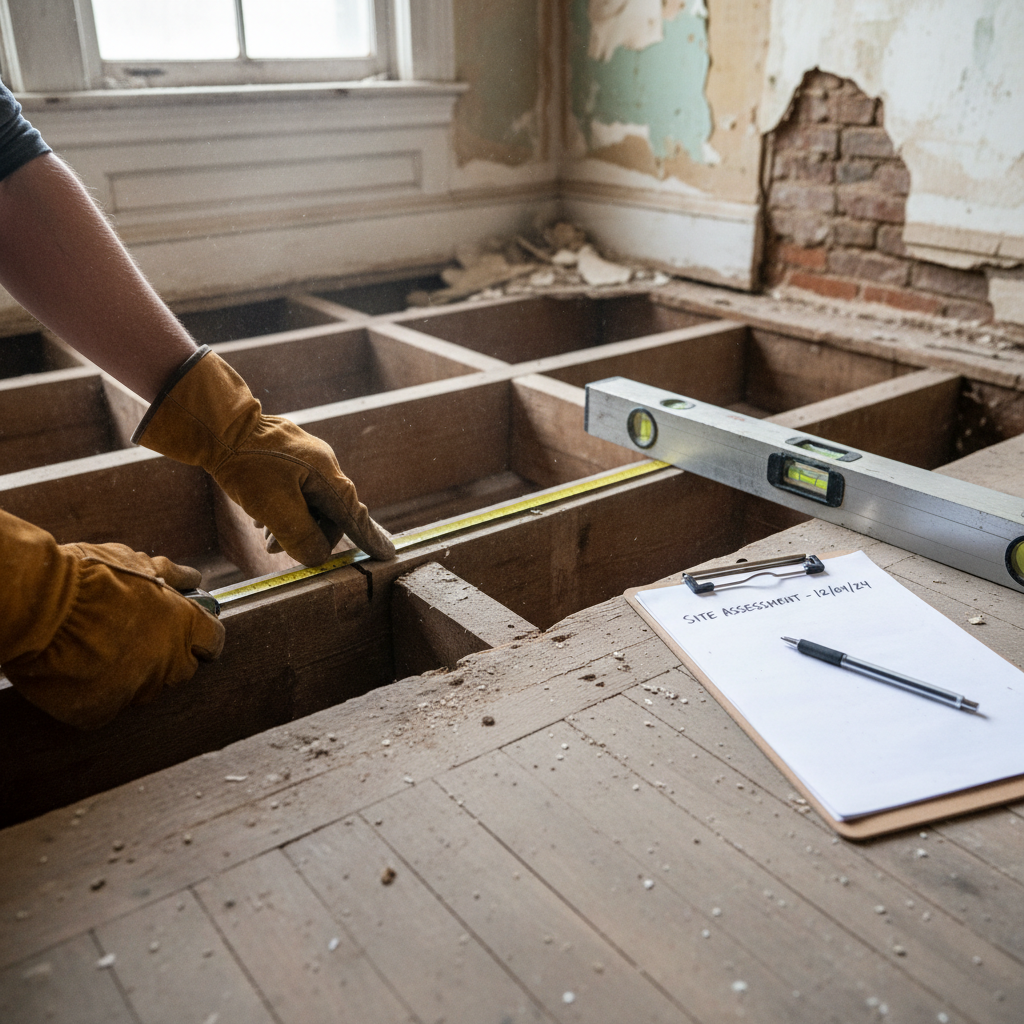
- On-Site Visit: Inspecting the property to identify inefficiencies.
- Data Analysis: Analyzing energy usage to pinpoint problem areas.
- Report Generation: Providing a detailed report with findings and recommendations.
- Implementation: Acting on the recommendations to enhance energy efficiency.
Implementing Recommendations
After receiving the assessment report, implementing the suggested changes is crucial. This might involve upgrading insulation, installing energy-efficient lighting, or optimizing heating and cooling systems. The investment in these improvements often pays for itself through energy savings.

Finding a Qualified Assessor in Melbourne
When selecting an energy assessor, it is important to choose a qualified and experienced professional. Look for assessors with accreditation and positive client reviews. Many companies in Melbourne offer energy assessment services, so take the time to compare options and find a provider that best meets your needs.
In conclusion, energy assessments are an invaluable tool for anyone looking to improve energy efficiency and reduce costs. Whether for a home or a business, these audits provide clear insights and actionable recommendations, making them a smart investment for the future.