Top Myths About Green Building Certifications in Australia Debunked


Understanding Green Building Certifications
In recent years, the push towards sustainability has led to an increased interest in green building certifications. These certifications provide a framework for creating environmentally responsible and resource-efficient buildings. However, several myths surround these certifications, particularly in Australia, which can lead to confusion and misinformation.
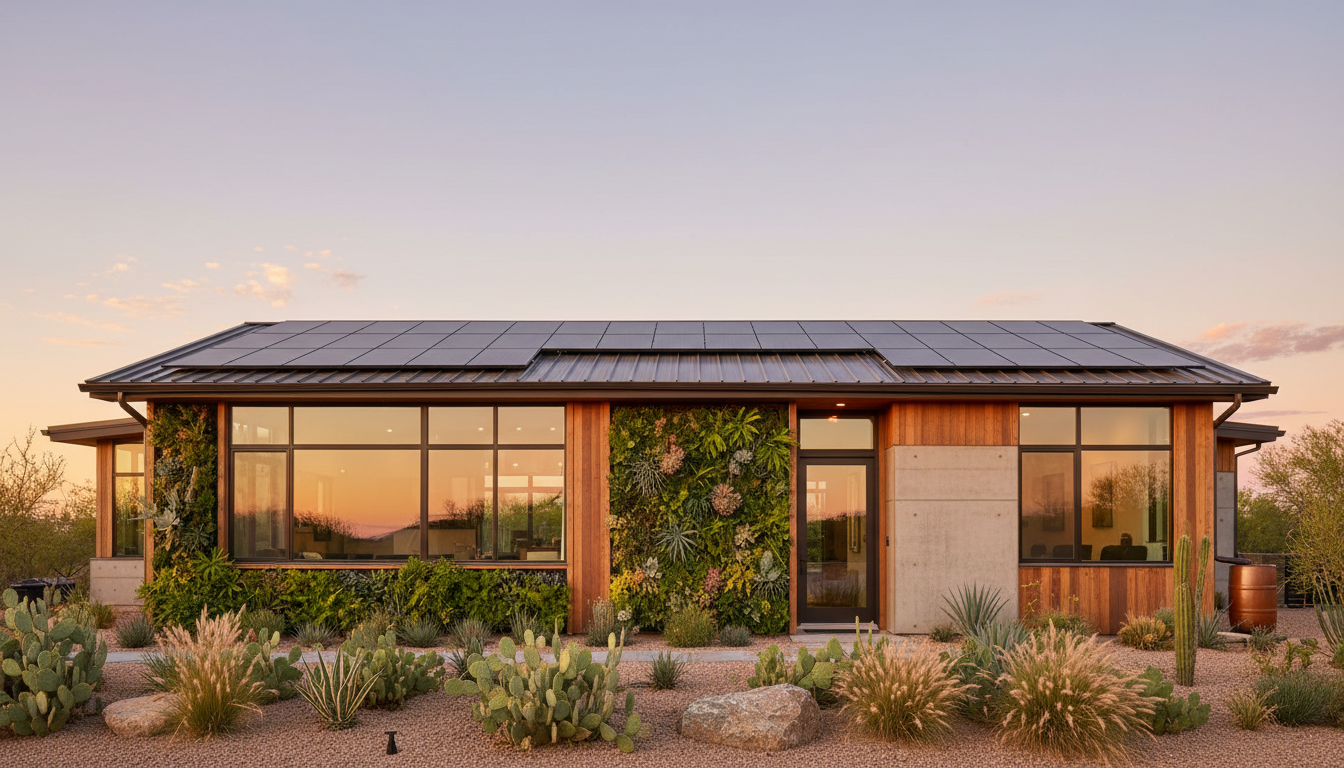
Myth 1: Green Building Certifications Are Too Expensive
One common misconception is that obtaining a green building certification is prohibitively expensive. While there are costs involved, they are often offset by the long-term savings in energy, water, and maintenance costs. In fact, many certified green buildings report significant reductions in operating expenses, which can make the initial investment worthwhile.
Moreover, there are different levels of certification, allowing for flexibility in achieving sustainable goals. This means that projects with tight budgets can still pursue certification without overspending. The key is to integrate sustainable practices from the early stages of design and planning.
Myth 2: Certifications Are Only for New Buildings
Another prevalent myth is that green building certifications are only applicable to new constructions. In reality, many certification programs cater to existing buildings. These programs focus on retrofitting and improving the efficiency of older structures, offering pathways to enhance sustainability without starting from scratch.
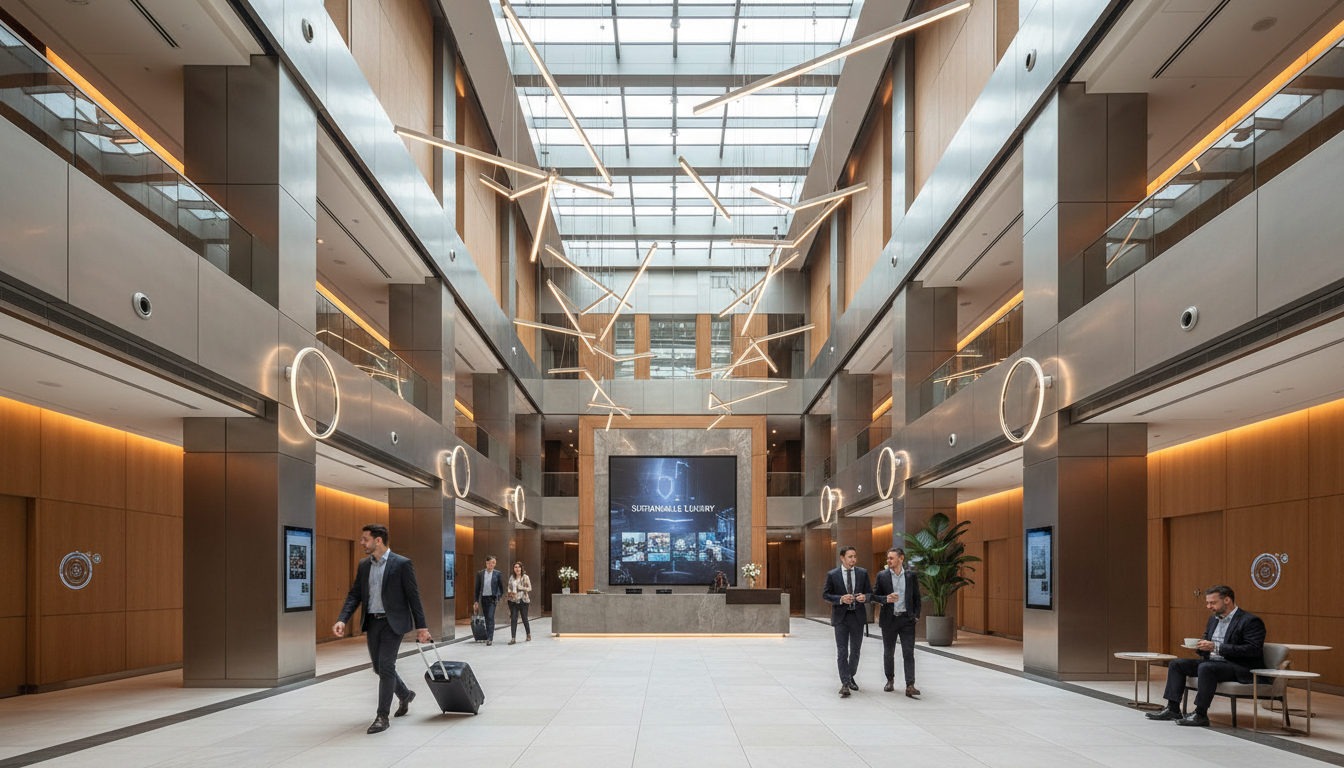
By retrofitting existing buildings, owners can not only reduce their environmental impact but also increase property value and appeal to environmentally conscious tenants and buyers.
Exploring the Benefits Beyond the Myths
Myth 3: All Certifications Are the Same
It's a common belief that all green building certifications are identical, but this couldn't be further from the truth. In Australia, several certification systems exist, each with unique criteria and focuses. For example, Green Star, NABERS, and WELL Building Standard each emphasize different aspects of sustainability and occupant wellbeing.
Understanding the distinctions between these certifications allows stakeholders to select the one that best aligns with their project's goals and values, ensuring a more meaningful impact on their environmental footprint.
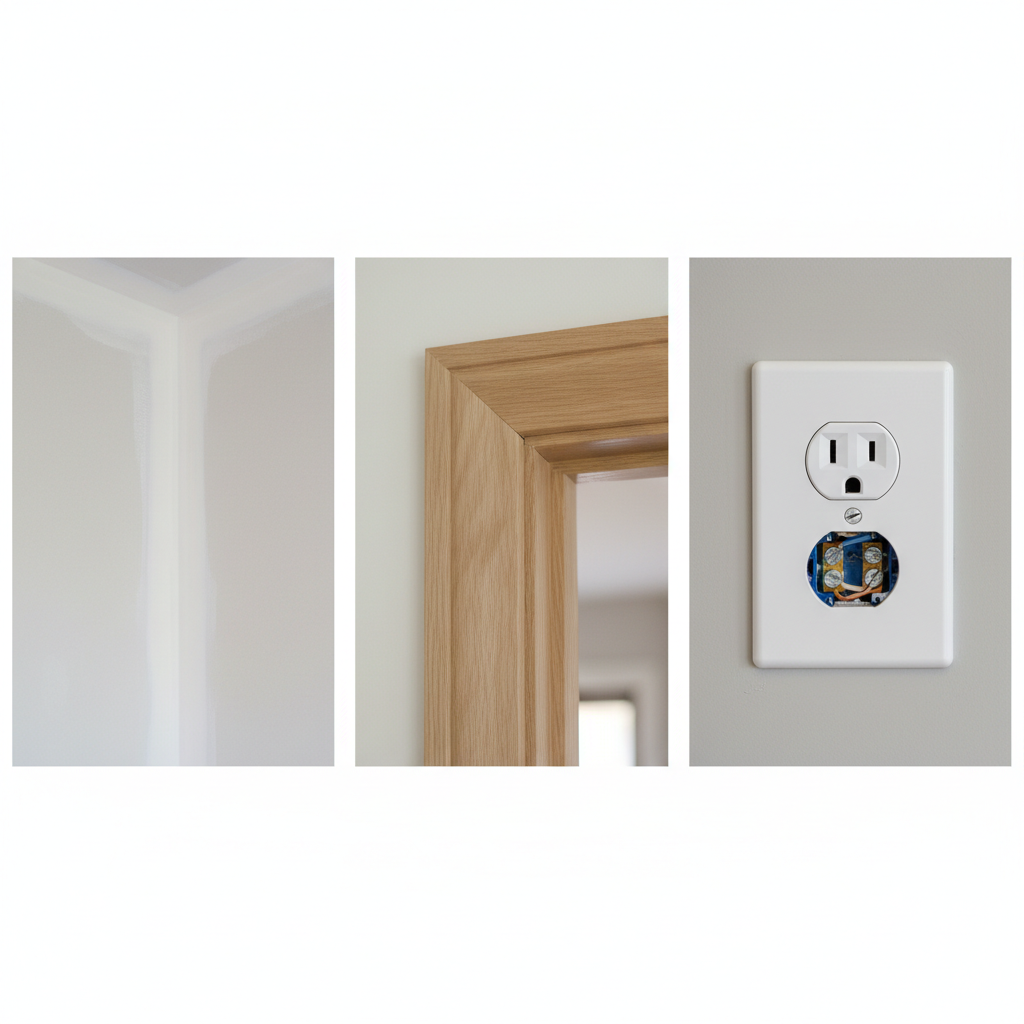
Myth 4: Green Buildings Compromise on Aesthetics
Some people fear that pursuing a green building certification will limit design options and result in less aesthetically pleasing structures. However, sustainable design often enhances architectural creativity. Many award-winning buildings are both visually stunning and environmentally friendly, proving that sustainability and beauty can coexist harmoniously.
Architects and designers are continually innovating, using sustainable materials and innovative technologies to create spaces that are both beautiful and environmentally responsible.
Conclusion: Moving Beyond Myths
Debunking these myths is essential for promoting broader acceptance and implementation of green building practices. By understanding the true benefits and possibilities of green building certifications, more developers and property owners can contribute to a sustainable future in Australia.
Embracing sustainability not only benefits the environment but also enhances economic and social outcomes, paving the way for a greener, more resilient world.