Top Tips for Preparing Your Melbourne Home for an Energy Assessment


Understanding the Importance of an Energy Assessment
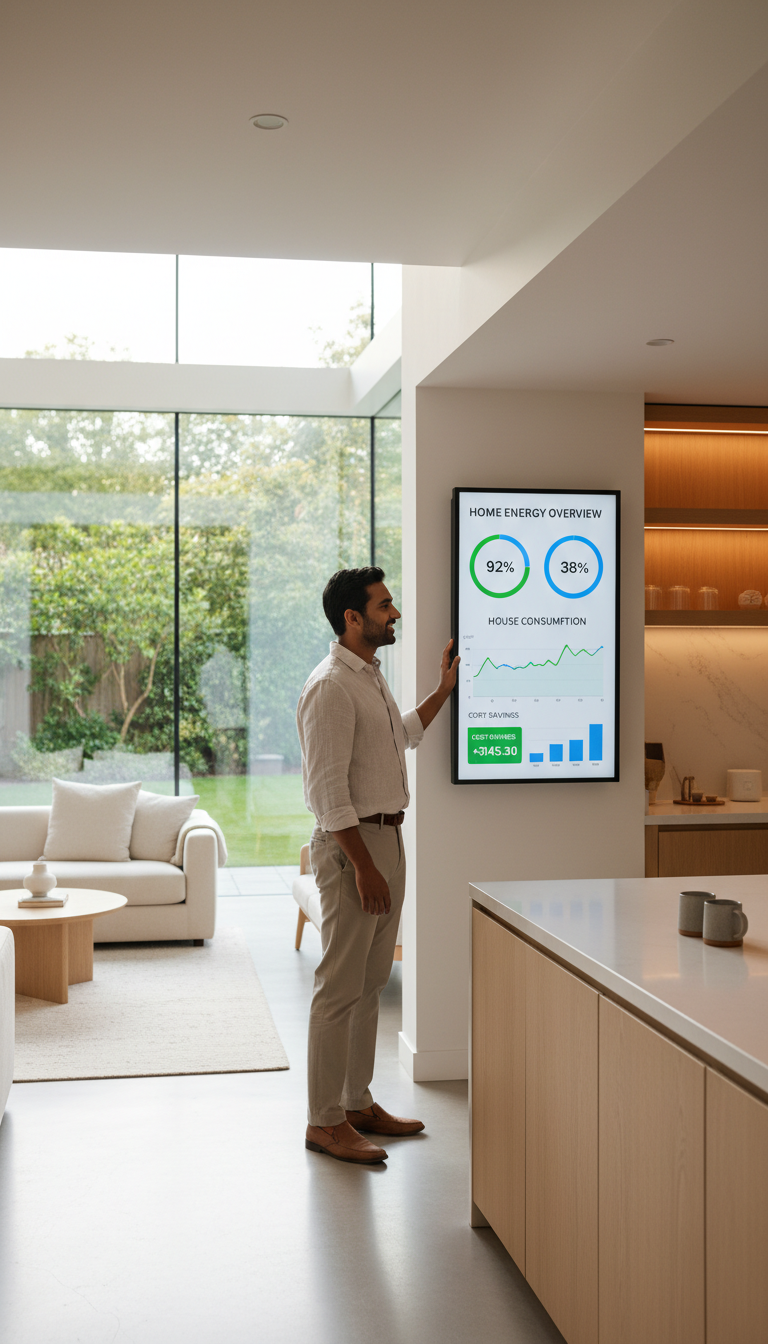
Preparing your Melbourne home for an energy assessment is a crucial step towards enhancing energy efficiency and reducing utility bills. By identifying areas where your home loses energy, you can make informed decisions about improvements. Here are some top tips to help you get started.
Conduct a Preliminary Inspection
Check Windows and Doors
Inspect all windows and doors for drafts and seal any gaps you find. This simple step can significantly reduce energy loss and improve the comfort of your home.
Examine Insulation
Ensure that your home is properly insulated, especially in the attic and walls. Good insulation is key to maintaining a stable indoor temperature and reducing heating and cooling costs.
Optimize Heating and Cooling Systems
Service Your HVAC System
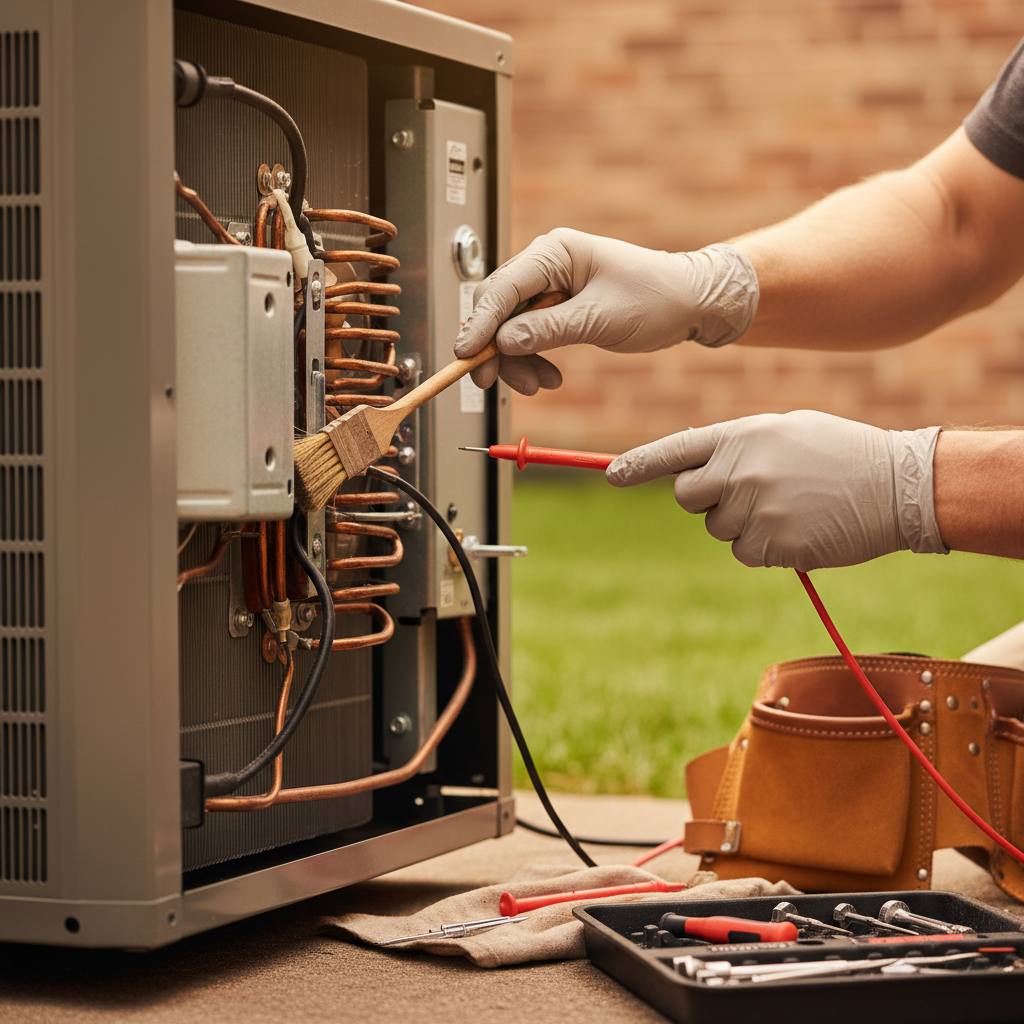
Before the assessment, have your heating, ventilation, and air conditioning system serviced. A well-maintained HVAC system runs more efficiently and can highlight areas for improvement.
Consider a Smart Thermostat
Installing a smart thermostat can optimize energy usage by adjusting the temperature based on your daily routine. This can be a significant factor in your energy assessment.
Evaluate Lighting and Appliances
Switch to Energy-Efficient Bulbs
Replacing incandescent bulbs with LED or CFL bulbs can drastically reduce your energy consumption. These bulbs last longer and use less power.
Assess Appliance Efficiency
Check the energy ratings of your appliances. If any are outdated or inefficient, consider upgrading to modern, energy-efficient models.
Prepare for the Assessment
- Document Recent Changes: Keep a record of any recent energy improvements you've made.
- Gather Utility Bills: Have your past utility bills ready for review. This can help pinpoint patterns in energy use.
- Clear Access Points: Ensure that the assessor can easily access all areas of your home, including the attic and basement.
By following these tips, you'll be well-prepared for your energy assessment, making it easier to identify areas for improvement and ultimately create a more energy-efficient home. Taking these proactive steps can lead to considerable savings and a more sustainable lifestyle.